
Best Plants to Order In Winter for Early Spring Install in NC
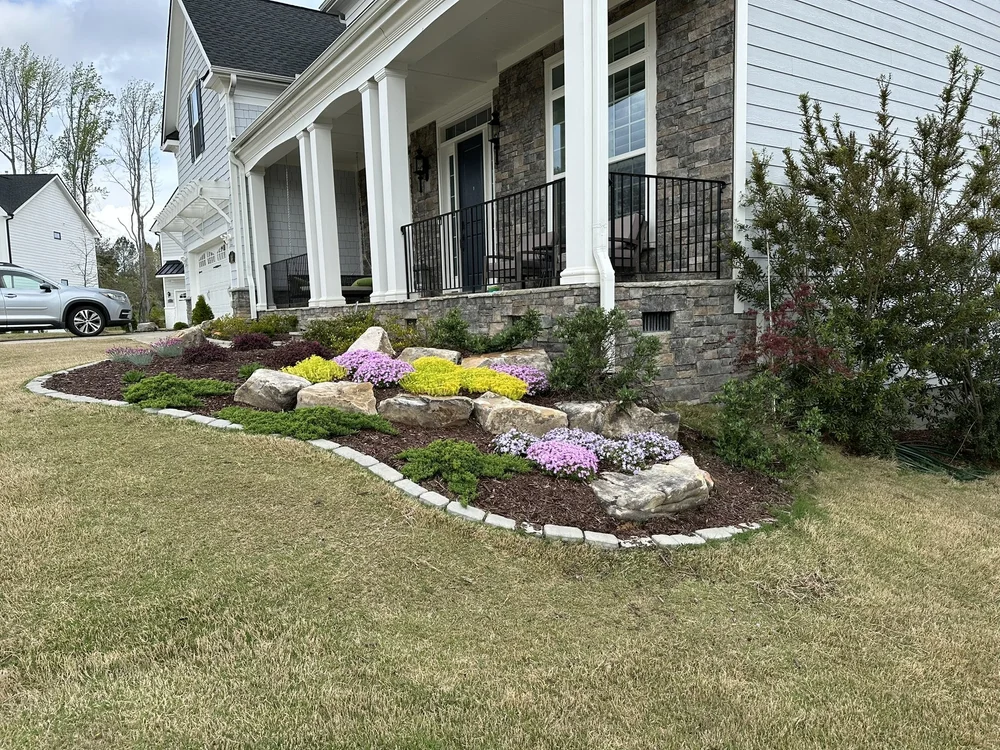
Best Plants to Order in the winter for Early Spring Install in North Carolina
As the chill of winter eases and you start eyeing your garden beds, there’s no better time to think ahead to spring planting. If you live in North Carolina like I do, you’ll want plants that can handle our heat, humidity, and the occasional late cold snap. This is a friendly, practical guide to the best plants to order now for an early spring install in NC, especially those that stay low-maintenance while delivering plenty of color and resilience.
Why Order Plants Now for Spring
Getting plants in your hands before spring gives you a head start. With container-grown perennials or natives, you can:
Ensure good root systems before the rush of spring planting.
Avoid the last-minute nursery scramble when everyone’s buying at once.
Order ahead for plants that might be rare or sell out quickly.
What Makes a Great “Early Spring Install” Plant in NC
Before I jump into specific plants, here’s what I look for when I pick plants for early spring in NC:
Native or well-adapted to the NC climate (heat, humidity, deer, etc.).
Low maintenance once established (minimal fuss, occasional watering or pruning).
Tolerant of our variable spring weather (possible frost, heavy rains, humidity).
Offer long-term value: perennials or hardy shrubs rather than delicate annuals (though a few annuals should have their place in your garden).
With those in mind, here are some of the best picks.
Best Plants to Install in Spring in NC
Eastern Blue Star (Amsonia tabernaemontana)
This native perennial is a perfect fit for NC. (Tolerates drought once established but thrives in moist/well-drained soil).
Early spring brings its unique, star-shaped blue flowers. A gorgeous blue pop while other plants are still waking up.
Once it’s in, it’s low maintenance; after the first year the plant usually takes care of itself with minimal watering needed.
Carolina Jessamine (Gelsemium sempervirens)
This evergreen vine is ideal if you want pretty yellow blooms and fragrance in early spring.
It does well on a trellis, fence, or pergola, adding vertical interest to your landscape with minimal upkeep.
Because it’s native and adapted to southern climates, it’s a reliable choice when you want a low maintenance plant that withstands variable spring weather.
Black-Eyed Susan (Rudbeckia hirta)
Black-Eyed Susans are hardy, sun-loving, and very tolerant (The perfect plant for NC).
They tend to bloom a bit later (summer - early fall) but planting them prior to spring gives them a great head start.
They attract pollinators, vibrant color, and self-seed.
Dwarf Crested Iris
If you have a shady or woodland-like spot, dwarf crested iris is the perfect perennial that will provide early spring blooms.
It’s deer resistant and spreads by rhizomes, so with time it will fill spaces with little to no care.
Great for rock gardens, shade gardens, or under trees (places where many other spring plants struggle).
Foxglove Beardtongue (Penstemon digitalis)
This native perennial does well in full sun, tolerates a range of soil conditions, and does not need much watering once established.
It produces tall, graceful spikes of tubular flowers that attract pollinators.
Since it’s fairly tough once rooted in, it counts as one of the best low maintenance plants to install in NC in spring.
Practical Tips for Installing Plants This Spring
Here are some easy, earthy tips based on what’s worked for me over the years:
Wait until soil is workable, but don’t wait too long: Plant when the ground isn’t waterlogged or frozen. For many perennials, early spring is the perfect time to establish roots before the summer heat.
Use a mix of sun and shade plants depending on your yard: For full-sun beds, try Black-Eyed Susan or Foxglove Beardtongue. For shady or woodland areas, go with Dwarf Crested Iris or Eastern Blue Star.
Group plants by water and light needs: Simplify the maintenance side of things ahead of time. Native plants tolerant of drought (like Foxglove Beardtongue) can go together; moisture-loving plants (like Eastern Blue Star) in another bed.
Buy container-grown or nursery plants instead of seeds for early spring install: This gives you more control and a head-start on bloom, especially if you want early spring color right away!
Consider native perennials: Native plants are adapted to NC’s climate, soil, wildlife, and pests. Once they settle in, you’ll likely spend less time fussing over them and more time enjoying blooms.
What to Hold Off On (or Plan for Later)
Some annuals or warm-season plants (like marigolds, zinnias, or summer veggies) need to be planted once frost risk is fully over.
Bulbs that bloom in spring (like tulips or daffodils) should be planted in the fall (plan for next year on those bulbs at this point).
If you’re planting shrubs or woody plants and you missed fall....early spring still works perfectly!
Conclusion/Call to Action
Getting a head start on your spring landscape doesn’t have to be complicated. By ordering early and choosing plants that thrive in North Carolina’s unique mix of heat, humidity, and unpredictable spring weather, you set your yard up for effortless success. The plant selections above Eastern Blue Star, Carolina Jessamine, Black-Eyed Susan, Dwarf Crested Iris, and Foxglove Beardtongue are some of the best plants to install in spring in NC because they combine toughness with reliable color and low maintenance needs.
If you plan your beds around sunlight, soil conditions, and long-term growth, you’ll spend less time troubleshooting and more time enjoying a landscape that comes alive each spring. Start early, choose smart, and let your garden do the heavy lifting for you.
By: Lucio S.