
Choosing the Right Mulch Type for NC Landscapes
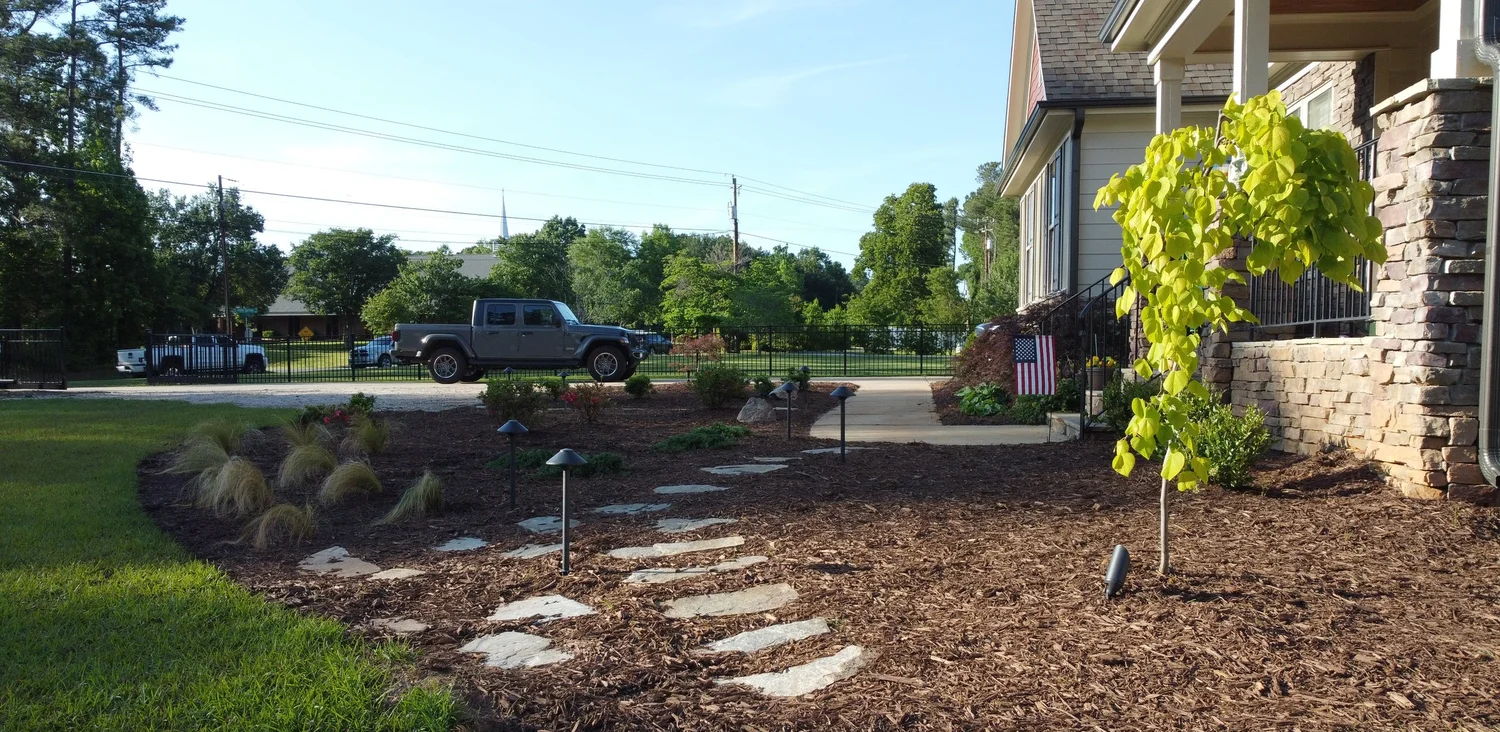
Choosing the Right Mulch Type for NC Landscapes
If you've ever walked through a North Carolina neighborhood in spring, you’ve probably noticed something right away. Some homes have fresh dark mulch around their plants, while others are covered in golden pine straw. Both look great when done right, but the real question homeowners ask is this: which one actually works best for our climate?
Choosing the right mulch type for NC landscapes isn’t just about appearance. The type of mulch you install affects soil moisture, plant health, weed control, and even how often you have to maintain your beds.
North Carolina’s hot summers, heavy rains, and clay-heavy soil make mulch one of the most important tools in a healthy landscape. The right choice can help your plants thrive while saving you time and money on maintenance.
Let’s walk through everything you need to know.
Why Mulch Matters in North Carolina Landscapes
Before diving into mulch options, it helps to understand why mulch plays such an important role in NC landscapes.
A properly mulched landscape bed helps:
Retain soil moisture during hot summer months
Reduce weed growth naturally
Protect plant roots from temperature swings
Prevent soil erosion during heavy rain
Improve soil quality as organic mulch breaks down
These advantages explain the benefits of the correct mulch type for NC landscapes, especially in regions where clay soil and strong summer heat can stress plants.
Simply put, mulch is not just decorative. It is also functional!
What Are the Different Mulch Choices for NC Landscapes?
Homeowners across the state commonly choose from several mulch types. Each performs a little differently depending on the location, soil conditions, and maintenance preferences.
1. Hardwood Mulch
Hardwood mulch is one of the most common choices in residential landscaping.
It is typically made from shredded tree bark and wood that breaks down gradually, enriching the soil over time.
Why homeowners like it
Excellent weed suppression
Holds moisture well
Improves soil health as it decomposes
Stays in place during heavy rain
Shredded hardwood mulch is especially useful in flat planting beds where you want long-lasting coverage.
2. Pine Straw
If you live in the Carolinas, pine straw is everywhere. It’s a regional favorite for good reason.
Pine straw comes from fallen pine needles and is typically sold in compact bales that spread quickly across large areas.
Why it works well in NC
Lightweight and easy to install
Ideal for slopes and hillsides
Naturally resists washing away in heavy rain
Budget and value friendly for large properties
Because pine straw locks together as it settles, it stays put better than many mulches on sloped beds.
3. Pine Bark Mulch
Pine bark nuggets are another popular option.
These chunks of pine bark break down more slowly than many organic mulches, meaning they may last longer before needing replacement.
Best uses
Around shrubs and trees
Areas where longer-lasting mulch is preferred
Landscapes with acid-loving plants like azaleas
Pine bark works particularly well for Southern landscapes because many ornamental plants thrive in slightly acidic soil.
4. Dyed Mulch (Black, Brown, or Red)
Dyed mulch has become extremely popular for homeowners who want bold color contrast in their landscape beds.
These mulches are typically shredded wood that has been color-treated.
Advantages
Strong visual impact
Helps define planting beds
Similar moisture and weed benefits as natural mulch
However, color tends to fade after a year or so, meaning it may need refreshing to maintain the same look.
5. Organic Compost Mulch
For gardeners focused on improving soil quality, compost mulch is an excellent option.
It breaks down faster than wood mulch but feeds soil microbes and plants as it decomposes.
This option is especially helpful for vegetable gardens and planting beds that need soil improvement.
Practical Tips for Choosing the Right Mulch
Selecting the right mulch does not have to be complicated. These practical tips will help you make the right choice for your yard.
1. Match the Mulch to Your Landscape Slope
If your yard has hills or slopes, pine straw usually performs better because it interlocks and stays in place during heavy rain.
Flat beds often work best with shredded hardwood mulch.
2. Consider How Often You Want to Refresh Beds
Some mulch types break down faster than others.
Pine straw may need replenishing every year
Hardwood mulch often lasts 12 to 18 months
Pine bark can last even longer
If you want lower maintenance, slower decomposing mulch is often the better option.
3. Think About Moisture Retention
NC summers can be extremely tough on plants.
Mulch that holds moisture well, like shredded hardwood, helps protect plant roots and reduces watering needs.
This is one of the biggest benefits of using the correct mulch type for NC landscapes, especially during drought conditions.
4. Choose Colors That Complement Your Home
While mulch has practical benefits, appearance still matters.
Black or dark brown mulch tends to make plants pop and works well with most home exteriors. Pine straw creates a more natural woodland look.
5. Apply the Right Depth
Even the best mulch will not work if installed incorrectly.
A good rule of thumb:
Apply mulch 2 to 3 inches deep
Avoid piling mulch against tree trunks
We highly advise edging the beds before installing mulch for a cleaner look
This depth helps prevent weeds while allowing water to reach plant roots effectively.
6. Avoid the “Mulch Volcano”
One of the most common landscaping mistakes is piling mulch around tree trunks.
This traps moisture against the bark and can lead to rot, pests, and disease.
Instead, leave a small gap around the base of trees and plants.
The Benefits of the Correct Mulch Type for NC Landscapes
When the right mulch is used properly, homeowners notice several immediate improvements.
Plants stay healthier and more hydrated
Landscape beds require less maintenance
Weed growth is significantly reduced
Soil quality improves over time
The entire property looks more polished
Choosing the right mulch type for NC landscapes ultimately comes down to balancing aesthetics, function, and maintenance preferences.
Final Thoughts
A fresh layer of mulch might seem like a small detail, but it can completely transform your outdoor space.
Whether you prefer pine straw, hardwood mulch, or pine bark, the key is understanding what are the different mulch choices for NC landscapes and selecting the option that best fits your yard’s conditions.
Take a walk through your landscape this season and see where fresh mulch could make a difference!
By: Lucio S.