
Early Spring Pruning: What to Cut Back & What to Leave Alone
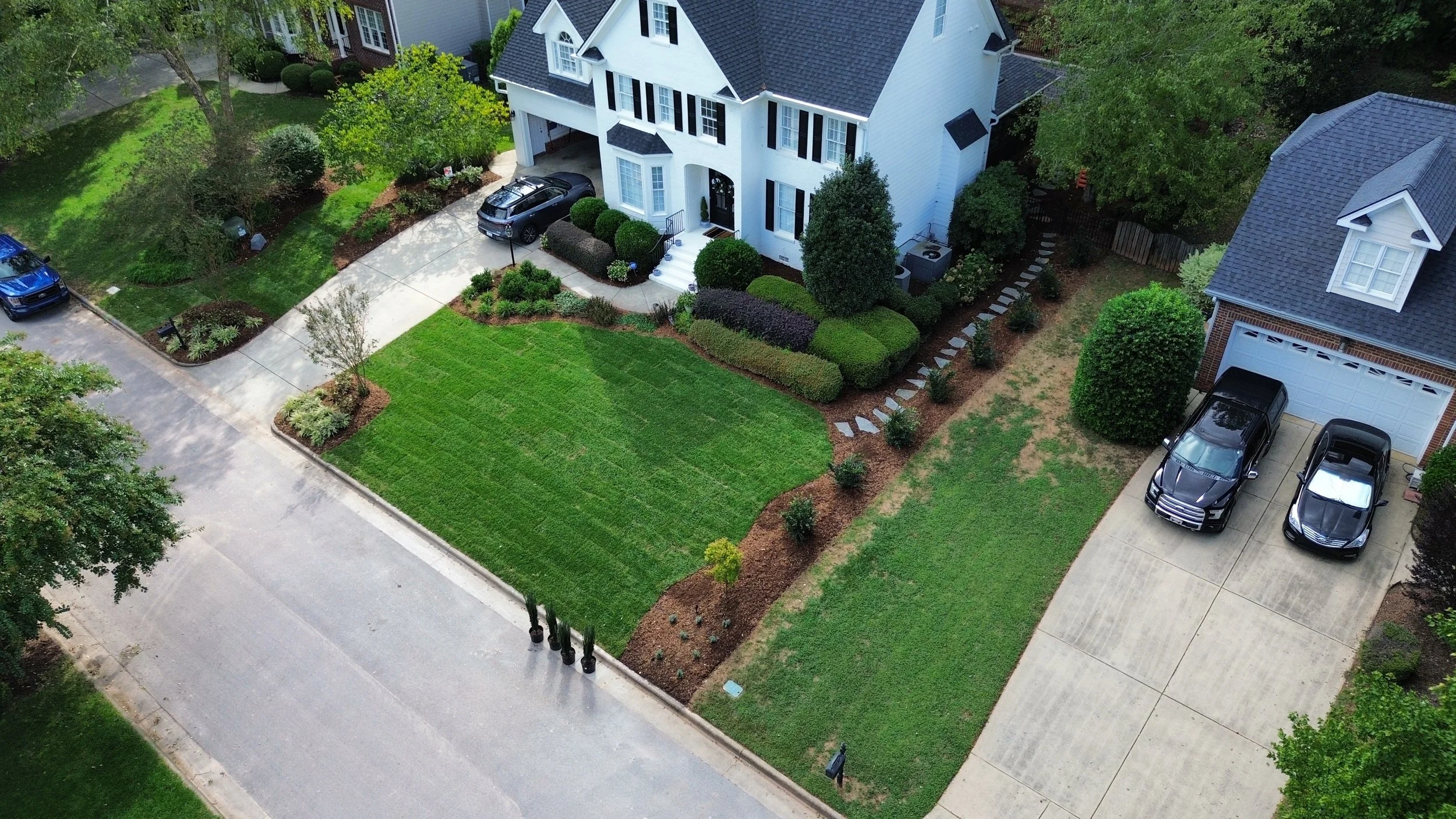
Early Spring Pruning Guide in North Carolina: What to Cut Back and What to Leave Alone
If you’ve ever wondered what to prune in early spring in the Triangle area in NC, you’re not alone. Every year as winter fades, gardeners across Raleigh, Durham, Chapel Hill and surrounding communities pull out their shears and ask the same question: what should I cut back now, and what should I leave alone so I don’t lose blooms or harm my plants? Let’s walk through the correct way to spring prune in the Triangle area in NC, in a friendly guide you can actually use.
Whether you’re new to gardening or you’ve been trimming shrubs since your first home landscape project, this early spring pruning guide breaks it down in plain language and with real-world tips.
Why Timing Matters
Pruning at the right time sets up your plants for success, helps prevent disease, and protects next season’s flowers and fruit. Too early or the wrong cuts and you risk cutting off buds or inviting pests and pathogens. In the Triangle area of North Carolina, our warm climate and early springs mean paying attention to timing and plant type is key.
What to Cut Back in Early Spring
Here are practical things to prune now, before new growth really kicks in:
1. Dead, Damaged, and Diseased Wood
Start by removing branches that didn’t survive winter. If a branch is brown or brittle, snip it back to healthy wood. This makes space for new growth and improves plant health.
2. Summer-Flowering Shrubs
Shrubs that bloom later in the season benefit from early spring pruning. These include crape myrtle, rose of Sharon and butterfly bush, which flower on new wood. Trimming them while dormant is ideal.
3. Most Deciduous Shade Trees
For trees like maples and oaks, late winter to early spring (February to March) is a good pruning time because they’re still dormant but will heal fairly quickly once they start growing again.
4. Fruit Trees
If you’re growing apples, pears, peaches, or plums, give them a prune in early spring, before the buds break, so they develop better structure and airflow.
5. Evergreens and Hedges
Light shaping of evergreen shrubs and hedges like boxwood, holly or juniper is best around early spring, before new growth emerges.
What to Leave Alone Until Later
Some plants should not be sheared back now:
Spring-Flowering Trees and Shrubs
Plants like azaleas, rhododendrons, forsythia and dogwood set their flower buds the previous year. Pruning them in early spring will remove those buds and reduce your blooms. Once they are done flowering, you can then go ahead and snip away.
Hydrangeas That Bloom on Old Wood
Certain hydrangea types, especially oakleaf hydrangea, bloom on last season’s growth, so early pruning can cut off future flowers.
Newly Emerging Perennials
Leave early spring shoots alone until they’ve fully emerged, especially tricky ones like peonies. Cutting too soon can stunt their growth!
Five Practical Spring Pruning Tips
Whether you’re tackling shrubs or large trees, these tips make pruning easier and safer:
Use Sharp, Clean Tools
Clean tools make cleaner cuts and reduce disease spread. It can be helpful to wipe blades between plants with alcohol or a mild disinfectant.Cut Just Above a Bud or Branch Collar
This encourages healthy new growth and minimizes damage.Don’t Remove More Than One Third of the Plant
Taking off too much at once stresses plants.Know Your Plant’s Bloom Time
If it flowers in spring on old wood, wait until after it blooms; if it blooms later on new wood, early spring is your chance.Watch the Weather
Pruning too early while frost is still possible could expose cuts to cold damage. Spring in the Triangle can swing quickly from cool to warm, so monitor forecasts and prune on mild days.
How to Prune Like a Pro
I start by standing back and looking at the plant's natural shape. What am I trying to achieve? Remove deadwood? Reduce size? Open up the center for airflow?
Then I make a few cuts, step back, and look again. It's easy to get carried away once you start snipping.
For shrubs, I focus on thinning cuts (removing entire branches back to the base) rather than just shearing the tops. Shearing creates dense outer growth that shades the inside and makes the plant weak and leggy over time.
For trees, I remove anything rubbing or crossing, plus branches growing inward toward the trunk. The goal is an open structure with good airflow.
Bottom Line
The biggest mistake in early spring pruning isn't bad technique; it's cutting the wrong plants at the wrong time. If you're standing there with shears in hand, unsure whether to cut, the safest answer is usually "wait."
You can always prune later. You can't undo cutting off this year's flowers.
So grab your tools, walk around your yard, and start with the obvious stuff: dead branches, summer bloomers, fruit trees. Leave the azaleas and forsythia alone for now—you'll thank yourself in April when they're covered in blooms instead of looking like sad, stubby sticks.
By: Lucio S.