
How to Place Outdoor Lighting With a Purpose
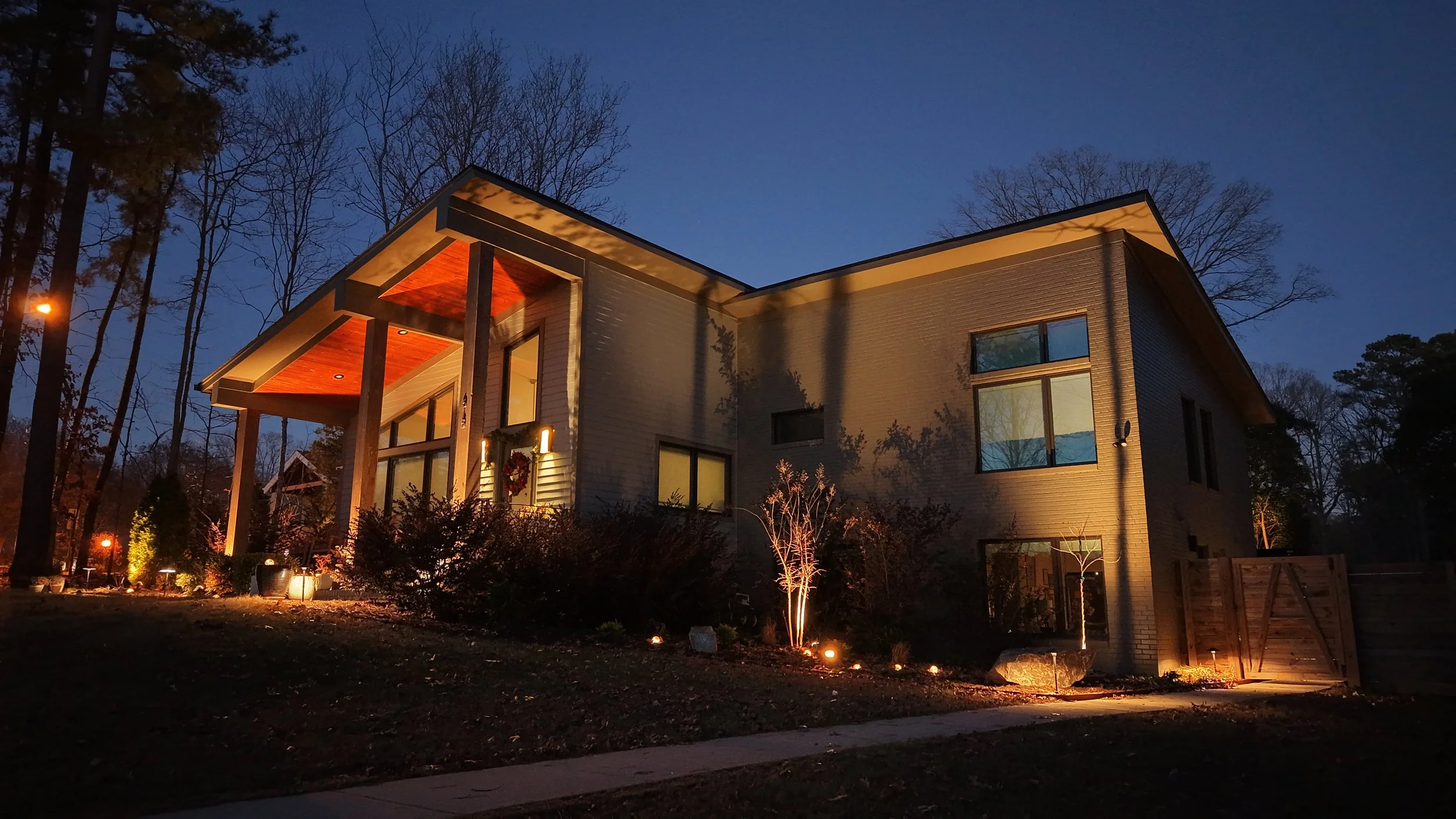
Walk through a beautifully lit yard at night, and you’ll notice something right away. The space feels welcoming, safe, and thoughtfully designed. The best outdoor lighting does more than simply brighten your yard, it guides people, highlights landscaping, and creates a relaxing atmosphere after the sun goes down.
That’s why Outdoor Lighting Placement for Safety and Ambiance matters just as much as the fixtures you choose. When lights are positioned intentionally, they help prevent trips and falls, showcase your landscaping, and turn ordinary outdoor spaces into inviting nighttime retreats.
The key is learning how to place outdoor lighting with a purpose. Instead of randomly adding lights wherever there’s room, strategic landscape lighting placement ensures each fixture serves a specific role.
Below are practical tips professional landscapers use to design lighting that is both functional and beautiful.
Why Outdoor Lighting Placement Matters
Many homeowners assume brighter lighting equals better results. In reality, great outdoor lighting is all about balance.
Thoughtful landscape lighting placement helps you:
Enhance safety along walkways and steps
Enhance visibility around entrances and driveways
Highlight landscaping features like trees and stonework
Create a warm, inviting atmosphere for evening gatherings
Proper lighting design typically combines multiple fixture types, such as path lights, accent lights, and area lighting. Each type serves a different purpose within the overall layout.
How to Place Outdoor Lighting With a Purpose
Before installing any lights, take a walk around your yard after sunset. Notice the dark areas, tripping hazards, and features that disappear at night. That quick walk often reveals exactly where lighting is needed most.
From there, you can start placing fixtures intentionally instead of guessing.
1. Light Walkways First for Safety
Paths and walkways should always be the first priority when planning Outdoor Lighting Placement for Safety and Ambiance.
Guests should be able to move through your yard comfortably without worrying about uneven ground or steps.
Helpful placement tips:
Install path lights about 6 to 8 feet apart for even illumination.
Place fixtures slightly off the edge of the path rather than directly beside it.
Use softer lighting to avoid glare.
Path lights typically need fairly low brightness levels to guide people safely through the yard.
2. Illuminate Entry Points and Doorways
Front doors, side doors, and garage entries are some of the most important places for purposeful lighting.
These areas benefit from slightly brighter illumination because they help with:
Unlocking doors
Greeting guests
Enhancing nighttime security
A combination of wall lights and nearby landscape fixtures usually works best. Position the lights to illuminate the entry without shining directly into someone’s eyes.
3. Highlight Trees and Landscape Features
One of the most enjoyable parts of landscape lighting placement is accent lighting. When done well, it adds depth and drama to your yard.
Some great candidates for accent lighting include:
Trees
Garden beds
Decorative stonework
Water features
Architectural details
Uplights placed a few feet from the base of a tree can highlight the trunk and canopy beautifully. This technique adds dimension and helps your yard feel larger at night.
4. Use Layered Lighting for a Natural Look
One of the biggest mistakes people make is installing only one type of light throughout their yard.
Professional designers use layered lighting, combining several types of fixtures to create balance.
Common lighting layers include:
Ambient lighting
Provides overall illumination for patios and gathering areas
Task lighting
Focuses on functional spaces like grills, steps, and pathways
Accent lighting
Highlights landscaping or architectural features
Layering these elements helps your outdoor space feel intentional instead of overly bright.
5. Avoid Overlighting the Yard
When it comes to landscape lighting, less is often more.
Too many lights placed too close together can create an unpleasant glare and make your yard feel artificial instead of relaxing.
Keep these guidelines in mind:
Leave some areas intentionally darker for contrast
Aim lights downward when possible
Avoid placing fixtures directly in sightlines
A few well-placed lights will usually look far better than dozens of overly bright fixtures.
6. Add Lighting to Patios and Outdoor Living Areas
If you spend time outside in the evenings, lighting your patio or deck makes a significant difference.
The goal here is ambiance rather than brightness.
Great lighting options include:
Post cap lights
Wall sconces
String lighting above seating areas
Low landscape lighting around the perimeter
Warm color temperatures typically create the most comfortable atmosphere for outdoor gatherings.
7. Test Your Lighting at Night and Adjust
Even experienced landscapers rarely get lighting placement perfect on the first try.
Once your system is installed, walk the yard at night and look for:
Dark spots along walkways
Fixtures that create glare
Areas that could benefit from accent lighting
Adjusting angles or moving a fixture a foot or two can dramatically improve the final result.
Common Outdoor Lighting Placement Mistakes
If you want professional looking results, try to avoid these common issues:
Placing lights too close together
Using lights that are too bright
Ignoring steps and elevation changes
Highlighting every feature instead of choosing focal points
Remember, good Outdoor Lighting Placement for Safety and Ambiance should feel subtle and natural.
Conclusion
A well designed lighting plan can completely transform your yard after dark. When you understand how to place outdoor lighting with a purpose, every fixture contributes to safety, beauty, and atmosphere.
Start by lighting walkways and entrances, then add accent lighting to highlight your favorite landscaping features. Layer the lighting, keep it subtle, and make adjustments as needed.
With thoughtful landscape lighting placement, your yard can feel just as welcoming at night as it does during the day.
If you found these tips helpful, consider implementing a few of them in your own landscape this season...you won't regret it!
By: Lucio S.