
Planning Ahead for Fall: Deck Features That Make Cooler Weather More Enjoyable
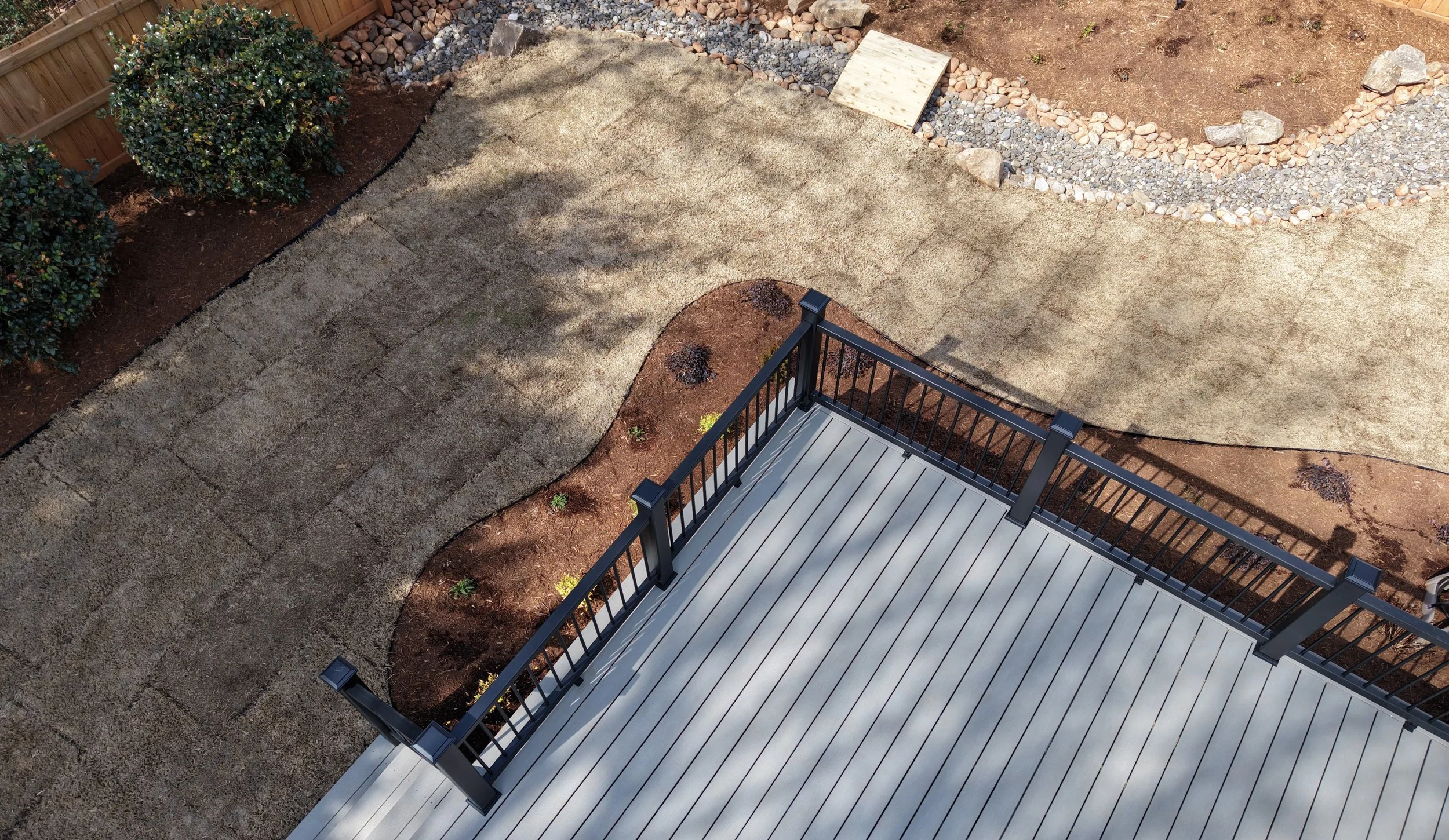
There’s something about fall that makes spending time outside feel a little different. The afternoons are comfortable, the evenings cool down, and suddenly sitting outside with a cup of coffee or gathering with friends sounds much more appealing than it did during those hot summer days.
The real issue is that most decks are designed primarily with summer in mind.
With a little planning, your deck can become a comfortable outdoor living space that you continue using well into the cooler months. The right layout, lighting, materials, coverage, and seating can make a noticeable difference in how often you actually use the space.
If you're considering building a new deck or upgrading an existing one, now is the perfect time to think beyond summer. Here are some of the best deck features that make cooler weather more enjoyable and help you get more value from your outdoor living space throughout the year.
1. Add Deck Lighting for Shorter Fall Days
One of the first things you'll notice as fall approaches is how quickly daylight starts disappearing. A deck that feels perfect at 7:30 in July can feel completely different at the same time in October.
That's why outdoor lighting is one of the easiest upgrades you can make.
Built-in lighting can improve visibility while also giving the deck a warmer, more inviting atmosphere after sunset. Deck lighting is commonly incorporated into stairs, railings, posts, and other transition areas to improve visibility and highlight the design of the space.
Consider options such as:
Stair lights
Post lighting
Under-rail lighting
Recessed deck lights
Pergola lights
Accent lighting around seating areas
If you're building a new deck, think about lighting during the initial design rather than treating it as an afterthought. Some built-in lighting systems require wiring beneath the deck framing, making them a whole lot easier to incorporate during construction.
Good lighting doesn't need to make your backyard look like a stadium. A few thoughtfully placed fixtures can provide enough illumination for safety while keeping the atmosphere comfortable and relaxed.
2. Consider a Pergola or Covered Deck
When people think about a covered deck or pergola, they often think about escaping the summer sun, but coverage can be just as valuable once fall arrives.
A pergola helps define the deck as its own outdoor room while maintaining an open concept. Depending on the design, you can also incorporate a canopy or other covering for additional protection.
For homeowners wanting more substantial weather protection, a covered deck or roof extension can make the outdoor living area usable during a wider range of conditions. Covered deck features can provide additional protection from the elements and allow homeowners to spend even more time outside.
Think about a chilly fall afternoon when there's a light drizzle outside. An uncovered deck might go unused, while a comfortable seating area beneath a covered portion of the deck could still be a great place to relax.
That's the difference between simply having a deck and designing an outdoor living space around how you'll actually use it.
3. Choose Low-Maintenance Composite Decking
Fall is beautiful, but it also means leaves, moisture, changing temperatures, and more debris finding its way onto your deck.
For homeowners planning a new deck, composite decking is worth considering.
Materials from manufacturers such as Trex and TimberTech are popular options for homeowners who want the appearance of wood combined with a lower-maintenance outdoor surface.
Traditional wood decking can require ongoing maintenance as it ages and is exposed to moisture and weather. Composite decking is designed as a more durable, lower-maintenance alternative.
That can be particularly appealing during fall. Instead of making deck maintenance another seasonal project, you can spend more time actually enjoying the space.
When comparing lumber vs. composite decking, don't look only at the initial installation price. Consider maintenance, appearance, durability, and how much work you're comfortable putting into the deck over the years.
4. Create Comfortable Seating Zones
One of the easiest deck design mistakes to make is focusing entirely on square footage.
A bigger deck does not automatically mean a better deck.
What matters is how the space is organized.
When planning your deck layout, think about creating separate areas for different activities. For example, you might have a dining area closer to the house and a smaller conversation area toward the opposite side of the deck.
For fall, that conversation area can become the place where everyone naturally gathers.
Built-in benches can also provide additional seating without requiring another piece of furniture, particularly around the perimeter of the deck.
Before deciding on the size and shape of a new deck, ask yourself a few simple questions:
How many people do we plan to entertain?
Do we want an outdoor dining area?
What is the deck primarily going to be used for?
Where will the grill go?
How will people move between the house, deck, and yard?
Would multiple seating zones make sense?
Those questions can tell you much more about the deck you need than simply choosing a square footage number.
5. Plan for Privacy
As trees begin losing their leaves, a backyard that felt secluded during summer can suddenly feel much more exposed.
That's where deck privacy ideas become especially useful.
Privacy screens, decorative walls, lattice panels, strategically placed landscaping, or a combination of these features can make the deck feel more like a defined outdoor room.
Privacy features don't necessarily need to surround the entire deck. Sometimes one thoughtfully positioned screen is enough to block a neighboring property or create the separation needed around a seating area.
The goal isn't to completely close yourself off. It's to create a comfortable space where you can relax without feeling like you're sitting in the middle of an open backyard.
6. Think About Railings as Part of the Design
Deck railings obviously serve an important functional and safety purpose, but they can also completely change the appearance of your outdoor space.
Modern deck railing ideas range from traditional styles to clean, contemporary systems using metal, composite materials, cable, or other materials.
Instead of choosing the railing at the very end of the project, think about it alongside the decking itself.
A darker railing paired with warm-toned composite decking, for example, can create a completely different look than a lighter traditional railing. Lighting can also be integrated into railing posts or beneath rails to improve nighttime visibility and highlight the perimeter of the deck.
It's a relatively simple detail that can have a major influence on the finished product.
7. Make the Transition From Indoors to Outdoors Feel Natural
The best deck designs don't feel like separate structures, but rather extensions of the home.
Think about what happens when you open your back door.
Does the deck naturally lead you toward a certain area? Is there enough room around the entrance? Are the stairs positioned where people actually need to walk? Does the deck connect comfortably with the rest of the backyard?
These details become especially important when you entertain others.
If you're carrying food outside during a fall gathering, you probably don't want to navigate around furniture every time you walk through the door. Similarly, guests shouldn't have to squeeze between chairs to reach the stairs.
Ideal deck design ideas balance appearance with everyday functionality.
Before construction begins, imagine yourself actually using the space. Walk through a typical evening in your head. Small layout changes on paper can make a significant difference once the deck is built!
8. Design Your Deck for More Than One Season
Perhaps the biggest takeaway is simple: don't design your deck around one perfect summer afternoon.
Think about spring mornings, summer cookouts, cool October evenings, and everything in between.
Features such as lighting, comfortable seating areas, privacy, durable materials, and covered areas can help transform a basic deck into a more versatile outdoor living space.
Fall doesn't have to signal the end of backyard season. In many cases, it's when the backyard becomes most comfortable.
Start Planning Your Fall Outdoor Living Space
The best decks aren't necessarily the ones with the most features. They're the ones designed around the homeowner's activities.
Whether you're planning a completely new deck or looking for ways to improve an existing space, consider which deck features will have the biggest impact on your home. Maybe it's built-in lighting for earlier sunsets. Maybe it's a pergola, new railing, better seating, or a low-maintenance composite deck.
A few thoughtful choices can help turn your backyard into a space you'll look forward to using long after summer is over.
If you're considering a new deck, deck renovation, or a larger outdoor living project, now is a great time to start planning. Explore your options, think about how you want to use the space throughout the year, and create a deck that feels just as inviting on a crisp fall evening as it does on a sunny summer afternoon.
By: Lucio S.