
Cold-Weather Planting Opportunities in NC
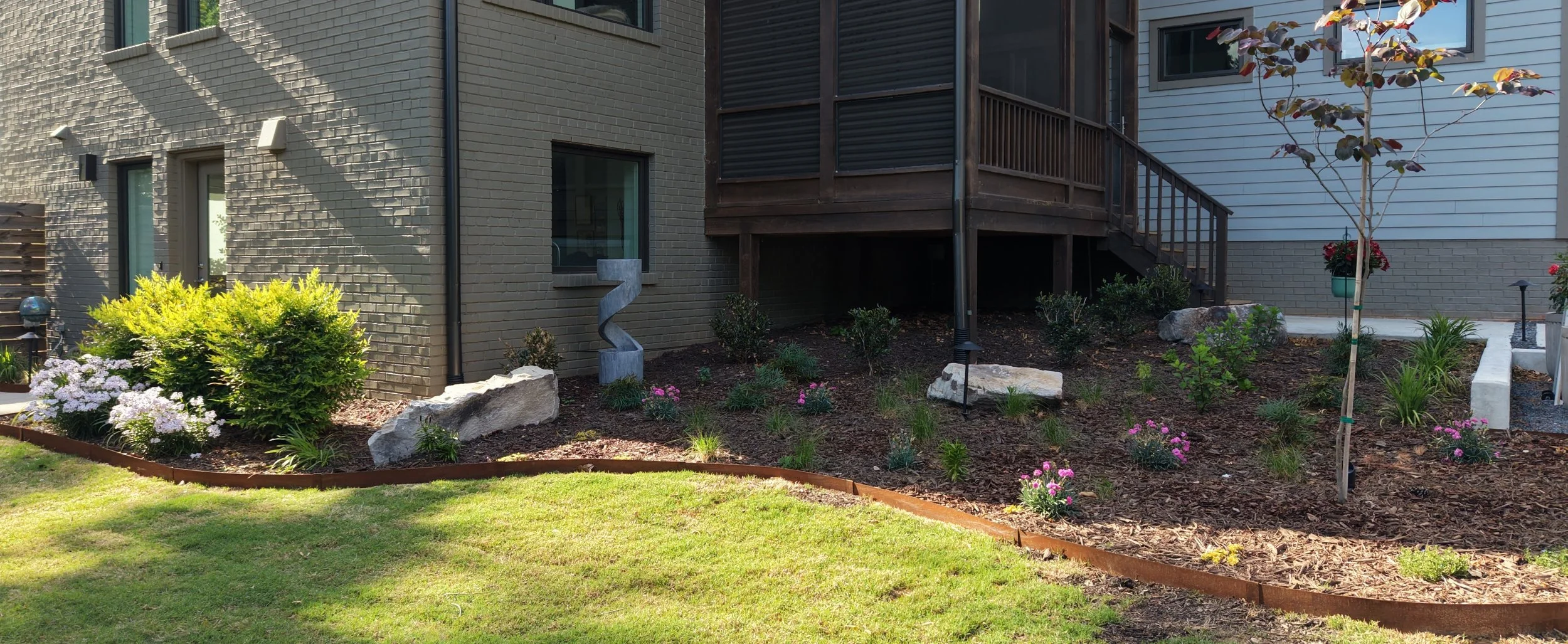
When temperatures start dropping in North Carolina, it's easy to assume that planting season is over. The garden centers quiet down, lawns slow their growth, and many homeowners turn their attention indoors until spring.
But winter doesn't mean your landscape should sit untouched!
In fact, some of the best cold-weather planting opportunities in NC happen during late fall and winter. Cooler temperatures can create excellent conditions for establishing certain trees, shrubs, perennials, and seasonal plants without the intense heat stress we experience during a North Carolina summer, especially this year.
The trick is knowing what to plant, when to plant it, and how to give those plants the best chance of becoming established.
If you're wondering about the best plants to plant in the winter months in NC, here are some options worth considering.
Why Plant During the Colder Months in North Carolina?
Winter planting might sound backward at first. We're used to thinking about spring as the beginning of gardening season, but plants don't necessarily follow the same calendar we do.
One of the biggest advantages is the reduced stress plants usually tend to experience.
During summer, newly installed plants deal with high temperatures, strong sunlight, and rapidly drying soil. Their root systems are trying to become established while the plant above ground is demanding plenty of water.
During cooler weather, many plants slow their above-ground growth. This allows more energy to go toward root establishment before the heat of the next growing season arrives.
For homeowners, this also tends to mean less watering pressure and fewer battles against summer heat.
Best Plants to Plant in the Winter Months in NC
Not every plant belongs in the ground during winter. Tropical plants and other cold-sensitive varieties are generally better saved for warmer weather.
However, there are several types of plants that can take advantage of North Carolina's cooler planting season.
1. Trees
Late fall and winter can be excellent times to add many deciduous and evergreen trees to a North Carolina landscape.
Depending on your property, options might include:
Redbuds
Maples
Hollies
Magnolias
Oaks
Dogwoods
Planting while a deciduous tree is dormant can give its root system time to begin establishing before spring growth and summer heat arrive.
The specific tree type does matter, though. Soil conditions, drainage, available sunlight, mature size, and your location within North Carolina should all influence your selection.
2. Evergreen Shrubs
Evergreens are especially useful when you're trying to keep a landscape from looking bare during winter.
Depending on the site, plants such as hollies, distylium, certain junipers, and other cold-hardy evergreen shrubs can provide structure and color while many deciduous plants are dormant.
They're especially valuable around foundations, property borders, patios, and outdoor living areas where year-round screening or color is important.
If you're planning a landscape around all four seasons, consider pairing evergreens for year-round beauty in NC with flowering shrubs and perennials that take over during spring and summer.
3. Cold-Hardy Perennials
Certain hardy perennials can also be planted during cooler portions of the year when conditions allow.
Coral bells, for example, can provide interesting foliage even when much of the landscape is quiet. Other hardy perennials may spend winter establishing themselves before producing stronger growth when temperatures warm.
Always check the cold tolerance and growing requirements of the particular plant variety you're considering rather than assuming every perennial can handle winter planting.
4. Pansies, Violas, and Other Cool-Season Color
Want color without waiting until spring?
Pansies and violas are North Carolina's winter favorites for a reason.
They work particularly well around:
Front entrances
Walkways
Mailboxes
Patios
Porch containers
Landscape-bed borders
A small amount of seasonal color can make a surprisingly big difference when the rest of the yard is dormant.
5. Blueberry Bushes
Here's one that surprises most homeowners.
Winter is an excellent time to plant blueberries in North Carolina.
Blueberries can also serve double duty in a landscape. Along with producing fruit, established plants can offer attractive foliage and seasonal interest.
Just remember that blueberries have specific soil requirements, particularly soil acidity, so testing and preparing the planting area is key for this one.
6 Practical Tips for Successful Winter Planting in North Carolina
Finding the best plants to install during winter in North Carolina is only half the equation. Proper installation and care can make the difference between a plant that struggles and one that takes off when spring arrives.
1. Pay Attention to the Ground, Not Just the Air Temperature
A chilly afternoon doesn't automatically mean it's too cold to plant.
What matters more is whether the soil is workable. If the ground is frozen, saturated, or extremely muddy, wait for better conditions.
North Carolina winters can fluctuate considerably, so there may be plenty of workable planting days between colder stretches.
2. Choose Plants for Your Specific Location
North Carolina has several distinct climate regions, so a plant that thrives near Wilmington (the beach) isn't automatically the best choice for Asheville or Raleigh.
Before planting, consider:
USDA hardiness zone
Sun exposure
Soil type
Drainage
Mature plant size
Moisture requirements
Exposure to wind
A beautiful plant in the wrong location quickly becomes a long term maintenance issue.
3. Don't Stop Watering Just Because It's Cold
This is one of the easiest winter planting mistakes to make.
Newly installed plants still need moisture while their roots become established. Winter growth may be slower, but that doesn't mean plants stop needing water.
Check the soil periodically, especially during stretches without meaningful rainfall. Plants in containers tend to require even more attention because their roots aren't as insulated as those growing directly in the ground.
4. Add Mulch After Planting
A fresh layer of mulch isn't just about making a landscape bed look clean.
Mulch helps moderate soil temperature, conserve moisture, reduce weeds, and protect the root zone from dramatic temperature fluctuations.
Avoid piling mulch directly against trunks or stems. Think of a wide, even layer around the plant rather than a mulch mountain stacked against it.
5. Think About Drainage Before You Plant
Cold and wet can be a rough combination for plants.
If water collects in a planting area after rain, don't simply install a plant and hope it adapts. Poor drainage can lead to root problems and make it difficult for new plants to establish.
Watch how water moves through the property after a good rainfall. Sometimes adjusting the planting location is enough. Other situations may call for grading, drainage improvements, or choosing plants that naturally tolerate wetter soil.
6. Use Winter to Plan for Spring and Summer
Winter is one of the best times to actually see the structure of your landscape.
With deciduous plants dormant, it's easier to notice empty spaces, awkward sightlines, drainage patterns, and areas that need screening or year-round interest.
Use this opportunity to think beyond individual plants.
Maybe an empty corner needs an evergreen anchor. Perhaps a walkway could use low-growing plantings along the edge. Maybe the patio needs a mixture of screening plants and flowering shrubs to make it feel more private.
Good landscaping isn't about filling every empty spot. It's about choosing plants that work together as they mature.
Plants to Avoid Planting During Cold Weather
Knowing what to plant during winter in NC also means knowing what should wait.
Cold-sensitive tropical plants, warm-season annuals, and other frost-tender varieties generally shouldn't be planted outdoors during the coldest part of the year.
When you're unsure, check the plant's hardiness requirements before buying it.
That five-minute check can save you from replacing the plant a few months later!
Take Advantage of Cold-Weather Planting Opportunities in NC
Winter doesn't have to be downtime for your landscape.
With thoughtful plant selection and proper installation, cold-weather planting opportunities in NC can help you establish trees, shrubs, hardy perennials, seasonal color, and even edible plants before warmer weather arrives.
The goal isn't to plant simply because you can. It's to use North Carolina's cooler months strategically.
Choose plants suited to your property, pay attention to soil and drainage, continue watering when needed, add mulch for root protection, and give new plants enough time to establish. When spring arrives, you'll already be way ahead.
If you're planning improvements to your North Carolina landscape and aren't sure which plants make sense for your property, now is a great time to start planning.
By: Lucio S.