
Evaluating Landscape Performance From the Past Year
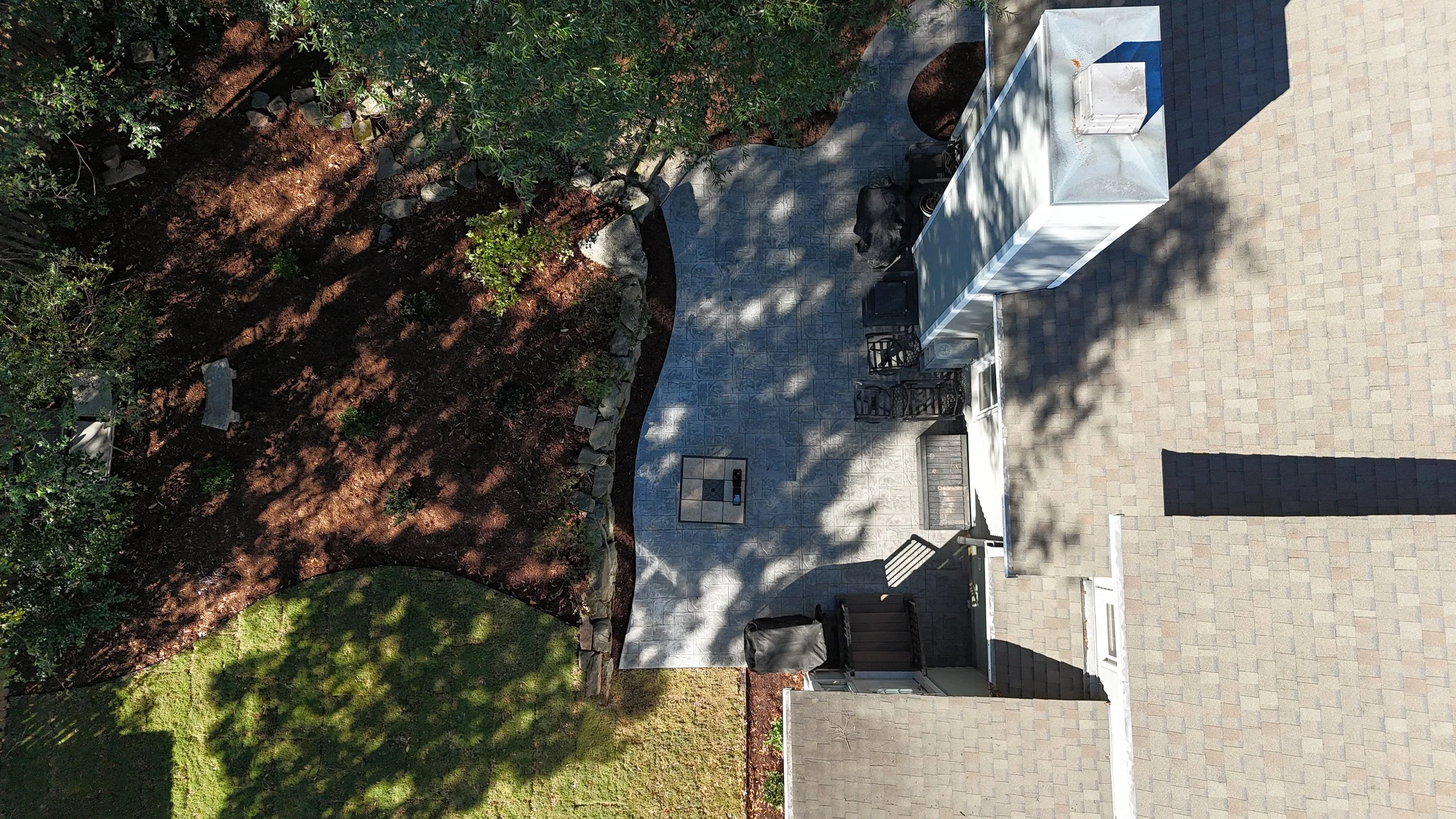
Your landscape has been through a lot this year. From summer heat, dry spells, and short bursts of heavy rainfall to seasonal changes, your lawn, plants, and outdoor spaces have faced plenty of challenges. But how well did your landscape actually perform?
Taking time to evaluate your landscape's performance over the past year can help you identify what worked, where things struggled, and where improvements are needed. Whether you're maintaining an established yard or reviewing a recent landscape installation, a simple year-end assessment can make a big difference.
Here are six practical ways to evaluate your landscape and prepare for a healthier, more beautiful yard next year.
1. Evaluate Your Lawn's Overall Health
Start by taking a good look at your grass. Did it stay green and healthy throughout the growing season, or were there some areas that struggled?
Look for and think back if you saw the following:
Bare patches or thinning grass
Areas with excessive weeds
Discoloration or signs of disease
Uneven growth or compacted soil
Pro Tip: Identify areas that struggled during the growing season so you can plan improvements such as aeration, soil testing, or sod replacement when the timing is right.
2. Review Plant Growth and Performance
Not every plant will thrive in every location. Some may receive too much sunlight, while others struggle with poor drainage or inadequate soil conditions.
When evaluating your landscape plants, consider the following:
Did shrubs and trees grow as expected?
Were there plants that struggled throughout the year?
Did any plants surprisingly outgrow their intended spaces?
Were watering requirements manageable?
For example, a shrub planted near a sunny front porch may struggle with reflected heat, even when nearby plants are doing well.
Pro Tip: Rather than repeatedly replacing struggling plants with the same variety, consider swapping to a species better suited to the area's sunlight, soil, and moisture conditions.
3. Check Your Yard's Drainage and Erosion
Drainage is one of the most important factors in long-term landscape performance.
Heavy rainfall can reveal issues that aren't noticeable during dry weather.
Inspect your property for the following:
Standing water after rainfall
Erosion around your property
Mulch washing away
Water collecting near patios or foundations
Exposed roots or shifting soil
Small drainage issues can become expensive problems down the road, when ignored.
Pro tip: Pay close attention to where water travels during storms. Solutions may include adjusting grading, extending downspouts, or improving drainage around hardscape areas.
4. Assess Your Irrigation and Watering Habits
Proper watering plays a major role in keeping your landscape healthy, especially during North Carolina's hot summers.
Think back to your watering routine throughout the year.
Did your shrubs and trees receive enough water?
Were there areas that remained wet for long periods of time?
Were irrigation heads functioning correctly?
Did your water usage seem unusually high?
Sometimes struggling plants aren't suffering from a lack of water. Overwatering, poor drainage, and unsuitable growing conditions can produce similar symptoms.
Pro Tip: Inspect your irrigation system periodically and adjust watering schedules based on seasonal temperatures, rainfall, and plant needs.
5. Inspect Patios, Walkways, and Hardscapes
Your landscape isn't just about grass and plants. Patios, retaining walls, walkways, and other hardscape features also deserve attention.
Check for the following:
Shifting or uneven pavers
Cracks in concrete surfaces
Loose edging or retaining wall materials
Water pooling around patios
Weed growth between joints
Addressing minor maintenance concerns early on, can help prevent larger repairs down the line.
Pro Tip: Clean hardscape surfaces regularly, inspect joints and drainage, and follow the recommended maintenance schedule for any sealers or specialty materials.
6. Identify Opportunities for Improvement
Once you've reviewed your landscape, think about how well your outdoor space worked for your lifestyle.
Maybe your patio needs more shade, your backyard could use additional privacy, or certain plant beds require too much maintenance.
Ask yourself:
Which areas of my yard did I enjoy most?
What required the most maintenance?
Are there unused spaces that could serve a better purpose for me?
What improvements would make my property more functional?
You don't necessarily need a complete landscape renovation. Sometimes replacing a few plants, improving drainage, or refreshing mulch can dramatically improve your property's appearance.
Plan for a Better Landscape Next Year
Evaluating landscape performance from the past year is one of the simplest ways to make smarter landscaping decisions.
By reviewing your lawn health, plant growth, drainage, irrigation, and hardscape conditions, you'll have a clearer understanding of what your property needs moving forward!
By: Lucio S.