
How Can I Help My Landscape Survive a Drought and Water Restrictions?
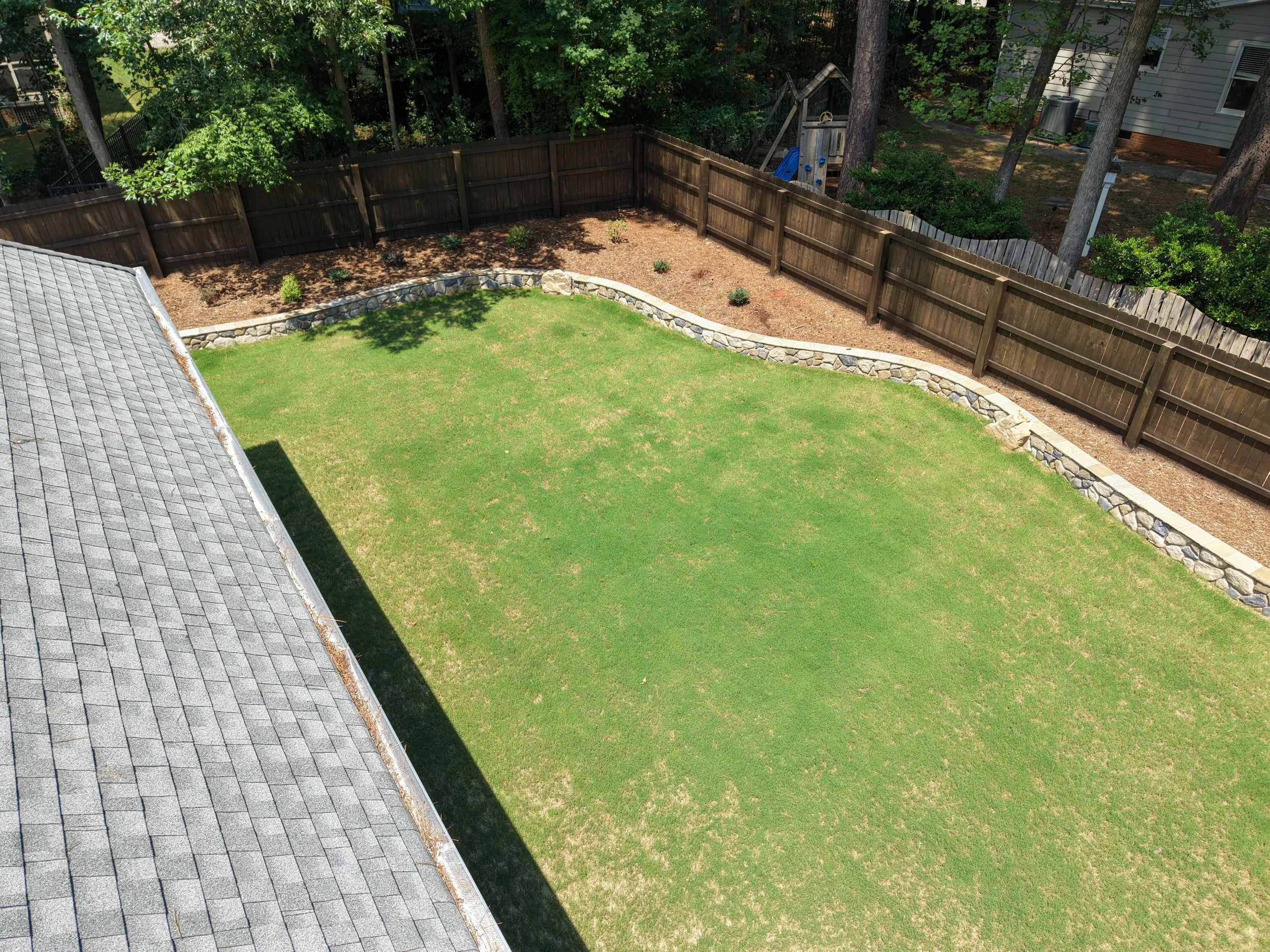
When a drought hits and watering restrictions go into effect, it's easy to feel like your landscape is fighting an uphill battle. One week your lawn is green and thriving; the next you're wondering what to water first and whether anything will survive the next hot and dry day.
The good news is that with the right care, a healthy landscape can often withstand periods of dry weather just fine. Whether you're dealing with municipality watering restrictions or simply trying to reduce your water usage, a few smart decisions can make a significant difference.
If you've been asking yourself, "How can I help my landscape survive a drought and water restrictions?" These practical tips will help you protect your lawn, trees, shrubs, and garden while making the most of every drop of water available to you.
Why Drought Affects Landscapes So Quickly
During extended dry periods, the soil loses moisture faster than plants can absorb it. Grass begins to slow its growth, shrubs become stressed, and trees may start dropping leaves earlier than usual.
Many homeowners assume a brown lawn means it's dead, but that's not the case. Most warm-season grasses, including Bermuda and Zoysia, will go dormant during drought conditions as a defense mechanism. These grasses tend to recover once rainfall returns.
The key is knowing where to focus your efforts.
Tip 1: Prioritize What Needs Water Most
If water is limited, don't try to keep every inch of your landscape perfectly green.
Instead, focus on protecting your most valuable investments.
Prioritize watering:
Newly planted trees
Young shrubs
New sod or most visible sod areas
Perennial gardens
Vegetable gardens
Newly installed landscape plants
Established lawns can usually survive temporary drought by going dormant, while new plants have much smaller root systems and need consistent moisture.
This is one of the most effective ways to help your landscape survive a drought and water restrictions.
Tip 2: Water Deeply Instead of Frequently
One of the common mistakes homeowners make is watering lightly during the hottest times of the day.
Instead:
Water deeply once every morning or every other morning, focusing on specific areas.
Allow the soil to absorb moisture several inches down.
Water only when permitted during local watering restrictions.
Deep watering tends to encourage stronger root systems that are much more resilient during hot weather.
Tip 3: Add Fresh Mulch Around Plants
Mulch is one of the easiest and most affordable ways to conserve moisture.
A two- to three-inch layer of mulch helps:
Reduce evaporation
Keep soil temperatures cooler
Suppress weeds
Improve soil health over time
Natural hardwood mulch and pine straw are both solid choices for helping landscape beds retain moisture during drought conditions.
Tip 4: Raise Your Lawn Mower Height
Cutting your grass too short creates more unnecessary stress.
Taller grass blades:
Shade the soil
Reduce water loss
Develop deeper root systems
Recover faster after drought
Instead of mowing your lawn as short as possible, raise your mower one or two settings during hot summer months.
Tip 5: Water Early in the Morning
If watering is allowed, timing matters just as much as the amount of water you apply.
Early morning watering:
Reduces evaporation
Gives plants time to absorb moisture
Helps prevent fungal diseases
Improves watering efficiency
Avoid watering during the hottest part of the afternoon whenever possible; during that time, the water tends to evaporate before the plants even have a chance to benefit from any of it.
Tip 6: Reduce Stress on Your Landscape
During a drought, your landscape is already working harder than usual.
Avoid adding extra stress by postponing activities such as:
Heavy pruning
Excessive foot traffic on dry lawns
Heavy fertilizer applications
Allow your plants and grass to focus their energy on surviving until weather conditions improve!
Tip 7: Consider Drought-Tolerant Landscaping
If droughts have become more common in your area, it may be time to rethink your landscape design.
Many homeowners are replacing high-maintenance lawn areas with beautiful features that are considered drought-tolerant.
Some excellent options include:
Native plants
Drought-tolerant shrubs
Decorative gravel or river rock
Expanded landscape beds
Patios and outdoor living spaces
Permeable paver installations
A thoughtfully designed landscape can stay attractive while using significantly less water throughout the year.
Tip 8: Inspect Your Irrigation System
Even a well-designed irrigation system can waste water if it's not working properly.
Walk through your system regularly and look for:
Broken sprinkler heads
Overspray onto sidewalks and driveways
Leaking valves
Uneven watering patterns
Areas receiving too much or too little water
Simple adjustments can improve watering efficiency and help your landscape survive a drought while staying within local water restrictions.
Can Your Lawn Recover After a Drought?
In most cases, yes.
Warm season grasses often enter dormancy during prolonged dry weather. Once temperatures moderate and rainfall returns, healthy lawns typically begin growing again.
However, newly installed sod, young trees, and recently planted shrubs require extra attention because they haven't developed extensive root systems yet.
That's why prioritizing these areas during watering restrictions is key.
Final Thoughts
If you've been wondering, "How can I help my landscape survive a drought and water restrictions?" The answer comes down to making smart, intentional choices.
Water deeply when allowed, protect your newest plants, add mulch, mow higher, and avoid unnecessary stress on your landscape. Small adjustments today can make a big difference in how your lawn and garden recover once the drought ends.
If you're planning a landscape renovation, consider incorporating drought-tolerant plants, efficient irrigation, and hardscape features that reduce long-term water demands. These improvements not only help during dry spells but also create a more sustainable and lower maintenance outdoor space for years to come.
By: Lucio S.