
Lawn Mowing Best Practices During Peak Growth
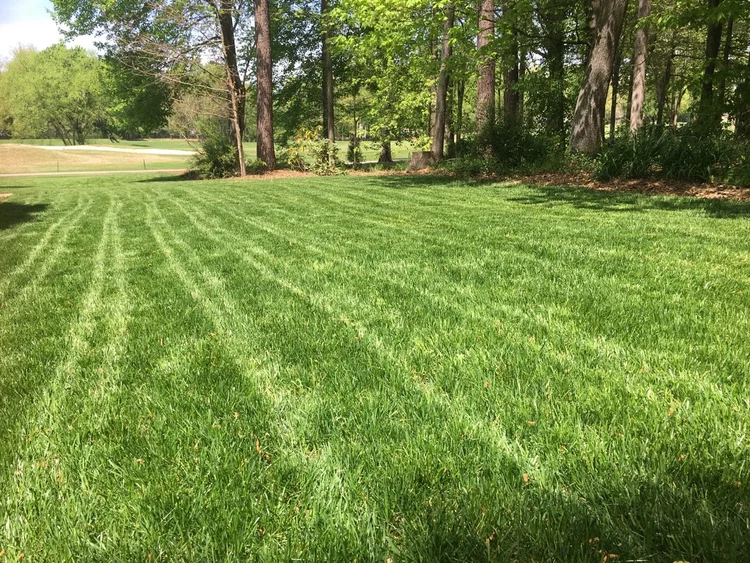
There’s a point every spring and early summer when your lawn seems to grow overnight. You mow on Saturday, and by Wednesday it already looks shaggy again. Peak growing season can turn even a healthy yard into a full-time job if you’re not mowing correctly.
The good news is that a few simple adjustments can make a huge difference. Proper mowing habits help your grass grow thicker, stay greener, and resist weeds, drought, and disease. Whether you’ve got cool-season fescue or warm-season Bermuda, understanding the right lawn mowing best practices during peak growth can keep your yard looking sharp without overworking yourself.
Below are some practical lawn mowing tips that homeowners and professional landscapers rely on every season.
Why Proper Lawn Mowing Matters During Peak Growth
During periods of rapid growth, grass uses a lot of energy. If it’s cut too short or mowed incorrectly, the lawn can become stressed very quickly. Thin patches, brown spots, weeds, and shallow roots often start with poor mowing habits.
Following the best mowing practices for different grass types helps:
Encourage deeper root growth
Improve drought tolerance
Reduce weed pressure
Prevent lawn diseases
Maintain consistent color and texture
A healthy mowing routine is one of the easiest ways to improve curb appeal without spending a fortune on treatments or renovations.
1. Follow the One-Third Rule
One of the most important lawn mowing tips is simple: never remove more than one-third of the grass blade at one time.
Cutting too much at once shocks the grass and weakens the root system. It’s similar to getting a buzz cut after months without trimming your hair. Recovery takes time.
For example, if your lawn is 4.5 inches tall, avoid cutting it shorter than 3 inches.
During peak growth, this usually means mowing more frequently instead of mowing lower.
Benefits of the One-Third Rule
Reduces stress on the lawn
Prevents scalping
Helps retain soil moisture
Encourages thicker turf growth
2. Adjust Mowing Height for Your Grass Type
Not all grasses should be cut at the same height. One of the best mowing practices for different grass types is learning what your lawn actually prefers.
Cool-Season Grasses
Common cool-season grasses include:
Tall fescue
Kentucky bluegrass
Perennial ryegrass
These grasses generally perform best when kept taller, especially during warmer months.
Recommended mowing height:
3 to 4 inches
Taller grass blades help shade the soil, which keeps roots cooler and slows weed growth.
Warm-Season Grasses
Common warm-season grasses include:
Bermuda grass
Zoysia grass
Centipede grass
These grasses usually tolerate shorter mowing heights.
Recommended mowing height:
1 to 2.5 inches depending on the variety
Keeping the proper height is one of the most overlooked lawn maintenance tips, yet it has a major impact on overall lawn health.
3. Keep Your Mower Blades Sharp
Dull mower blades tear grass instead of cutting it cleanly. Torn grass tips often turn brown, making the lawn look unhealthy even when it’s well watered.
If your yard starts looking faded a day or two after mowing, dull blades are often the culprit.
Signs Your Mower Blade Needs Sharpening
Grass tips look frayed or white
Lawn appears brown after mowing
Mowing feels uneven
You notice clumps instead of clean dispersal
Most homeowners should sharpen mower blades every 20 to 25 hours of mowing during active growing periods.
4. Avoid Mowing Wet Grass
It’s tempting to mow right after rain when growth explodes, but wet grass can create several problems.
Wet clippings clump together, clog the mower deck, and leave uneven patches across the lawn. More importantly, mowing wet turf increases the chance of spreading lawn disease.
If possible, mow when the grass is dry and temperatures are moderate, typically in the late morning or early evening.
Why Dry Conditions Matter
Cleaner cuts
Better clipping distribution
Reduced soil compaction
Lower disease risk
This is one of those lawn mowing best practices during peak growth that saves time and frustration in the long run.
5. Change Your Mowing Pattern
Many homeowners mow in the exact same direction every week. Over time, this can cause grass to lean permanently and create visible wheel ruts in the lawn.
Changing patterns helps grass grow upright and evenly.
Try rotating between:
Horizontal passes
Vertical passes
Diagonal passes
Think of it like rotating tires on a vehicle. Small adjustments help everything wear more evenly over time.
6. Leave Grass Clippings When Possible
Grasscycling, which simply means leaving clippings on the lawn, can actually benefit your yard during peak growth.
Fresh clippings break down quickly and return nutrients back into the soil. In many cases, this can reduce the need for additional fertilizer.
As long as you’re mowing frequently and not leaving huge clumps, clippings are usually beneficial.
Benefits of Grasscycling
Adds nitrogen naturally
Improves soil health
Saves cleanup time
Reduces landfill waste
This is one of the easiest lawn care tips homeowners can implement immediately.
7. Don’t Mow During Extreme Heat
During heat waves or drought stress, grass growth slows down and lawns become more vulnerable.
Mowing during the hottest part of the day can add unnecessary stress, especially for cool-season lawns like fescue.
If temperatures spike into the upper 90s, consider:
Raising the mowing height slightly
Reducing mowing frequency
Watering deeply when allowed
A slightly taller lawn during summer often looks healthier than a tightly cut lawn struggling in the heat.
Common Lawn Mowing Mistakes to Avoid
Even experienced homeowners make a few of these mistakes during rapid growth periods.
Avoid These Habits
Cutting grass too short
Mowing with dull blades
Skipping too many days between cuts
Mowing soaked lawns
Bagging every clipping unnecessarily
Using the same mowing pattern every time
Fixing just one or two of these habits can noticeably improve lawn appearance within a few weeks.
Final Thoughts on Lawn Mowing Best Practices During Peak Growth
Peak growing season doesn’t have to feel overwhelming. A healthy lawn is less about mowing constantly and more about mowing correctly. By following these lawn mowing best practices during peak growth, you’ll encourage stronger roots, better color, and more consistent growth throughout the season.
Start with small improvements like sharpening your mower blades, adjusting mowing height, or following the one-third rule. Those simple changes can completely transform how your lawn looks and performs.
By: Lucio S.