
Preparing Landscapes for Cooler Night Temperatures
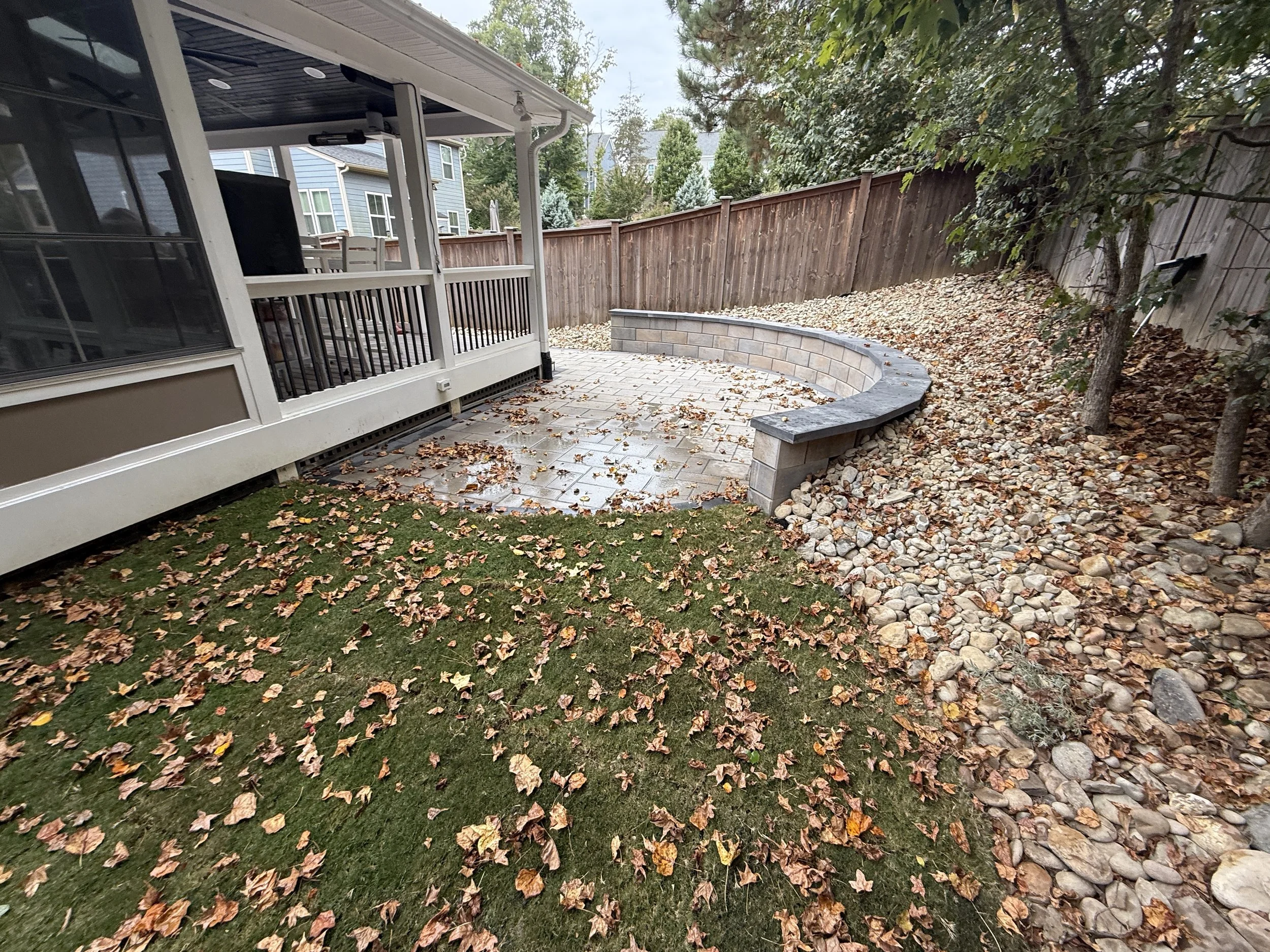
You can usually feel the change before the calendar says fall has arrived. The afternoons may still be warm, but once you step outside early in the morning, there's a coolness in the air that wasn't there a few weeks ago.
Those cooler nights are also a signal for your landscape.
After months of summer heat, lawns, trees, shrubs, and garden beds begin adjusting to shorter days and lower temperatures. Giving some attention during this transition can help plants recover from summer stress, strengthen roots, and prepare for the colder weather ahead.
Preparing landscapes for cooler night temperatures doesn't require tearing apart your yard or spending every weekend working outside. The key is knowing which fall lawn care tasks matter, and which ones depend on the type of grass and plants growing in your landscape.
Here are seven practical ways to get started.
1. Adjust Your Watering as Temperatures Cool
One of the first things to reconsider when preparing your yard for fall is your watering schedule.
During hot summer weather, soil can dry quickly. Once daytime and nighttime temperatures begin falling, moisture generally evaporates more slowly. Continuing the same irrigation schedule can leave some landscapes too wet.
Check the soil before automatically turning on the sprinklers. Established landscape plants tend to benefit from deeper, less frequent watering rather than frequent shallow watering.
Your lawn's needs depend heavily on grass type and weather conditions. Warm-season grasses (bermuda, zoysia, centipede, and St. Augustine) begin slowing as temperatures fall.
New seed, sod, and recently installed plants are different. They still need consistent moisture while their roots become established.
Check Your Irrigation System
Fall is also a good time to inspect the entire irrigation system (if you have one):
Damaged sprinkler heads
Irrigation schedules
Drainage Issues
Drip irrigation lines around trees and shrubs
Newly planted areas that may require additional moisture
Making these small adjustments helps conserve water while reducing the risk of keeping plants unnecessarily wet during cooler weather.
2. Keep Mowing, but Follow the Grass
Cooler nights don't automatically mean it's time to park the mower.
Continue mowing while the lawn is actively growing, but pay attention to how quickly the grass is growing rather than sticking to a rigid summer schedule.
Avoid suddenly cutting the lawn extremely short in an attempt to "prepare it for winter." Removing too much leaf tissue at once can add unnecessary stress to turf that may already be recovering from heat and drought.
Keep mower blades sharp, mow when the grass is reasonably dry, and avoid removing more than about one-third of the grass blade in a single mowing whenever possible.
As growth slows, you'll naturally find yourself mowing less often.
3. Know Whether You Have Warm-Season or Cool-Season Grass
This is one of the most important fall lawn care tips because the right treatment for one lawn can be exactly the wrong treatment for another.
Cool-season grasses (tall fescue and Kentucky bluegrass), become more active as temperatures moderate. Early fall therefore becomes an important period for aeration, overseeding, and fertilization.
Warm-season grasses behave differently. (Bermuda, zoysia, centipede, and St. Augustine) begin preparing for winter dormancy as temperatures fall.
4. Aerate and Overseed Cool-Season Lawns at the Right Time
If your cool-season lawn looks thin, compacted, or worn after summer, fall may offer one of the year's best opportunities to repair it.
Core aeration removes small plugs of soil from the lawn. This can reduce compaction and improve the movement of air, water, and nutrients into the root zone. Fall aeration is particularly useful in lawns with heavy foot traffic or compacted soil.
Aeration can also be paired with fall overseeding.
Fresh seed can help fill thin areas and create a denser lawn. The timing is important because seedlings need enough time to establish before winter arrives.
A simple fall lawn renovation might include:
Mowing the lawn.
Aerating.
Choosing grass seed appropriate for your climate and site conditions.
Spreading seed evenly.
Keeping the seedbed consistently moist during germination.
Reducing foot traffic until new grass becomes established.
Late summer into early fall is an especially valuable seeding window for many cool-season lawns because temperatures become more favorable while there is still time for young grass to establish.
Warm-season lawns follow a different schedule, so don't assume fall overseeding is appropriate simply because temperatures are dropping!
5. Refresh Mulch Around Trees, Shrubs, and Garden Beds
Mulch is one of the simplest tools for preparing landscapes for cooler temperatures.
A proper layer of organic mulch (2"-3") helps moderate soil temperature and conserve moisture around plant roots. It can also provide additional root-zone protection as colder weather arrives.
Check mulch around:
Trees
Shrubs
Perennial beds
Newly installed plants
Foundation plantings
If mulch has become thin or washed away, reapply it as needed.
Just don't pile mulch against trunks or stems. Leave some breathing room around the base of trees. The goal is to protect the root zone, not create a mound around the trunk.
Think of mulch like a blanket over the soil. A comfortable layer helps; burying the plant under it does the opposite.
6. Clean Up Leaves and Landscape Debris
Falling leaves are part of autumn, but thick layers shouldn't sit on any grass for long periods of time.
Leaves can block sunlight and reduce airflow when they're allowed to accumulate heavily on the lawn. Removing them regularly helps keep the grass exposed to the light and air it needs. Fall cleanup also gives you an opportunity to spot weeds, drainage problems, disease symptoms, and bare patches that were easier to overlook during summer.
Your fall yard cleanup can include:
Removing leaves
Picking up branches
Removing diseased plants
Clearing debris from drainage areas
Tidying garden beds
Inspecting trees and shrubs for damaged branches
You don't necessarily need to remove every leaf from the property. Shredded leaves can sometimes be mulched into turf or used appropriately in garden beds. The main goal is to prevent heavy, matted layers from smothering grass and creating problems.
7. Prepare Tender Plants Before the First Frost
Cool nights and freezing temperatures aren't the same thing, but progressively colder evenings are a useful reminder to prepare frost-sensitive plants.
Start by identifying which plants in your landscape are “tender.” Container plants deserve particular attention because their roots have less insulation than plants growing directly in the ground.
Before frost becomes a concern, decide which plants you'll:
Move indoors
Relocate to a protected area
Cover during frost events
Mulch for additional root protection (can be done regardless of the plant)
Accept and allow to naturally go dormant
If frost protection becomes necessary, plant covers work best when they extend down to the ground so they can trap some of the heat radiating upward from the soil.
Planning ahead is much easier than searching for sheets and frost cloth after the temperature has already started dropping.
Don't Forget Trees and Shrubs
Fall lawn care tends to get most of the attention, but preparing your landscape for cooler weather should include trees and shrubs too.
Take a slow walk around the property and look for broken branches, signs of disease, stressed foliage, exposed roots, or newly planted shrubs that may need extra attention.
Avoid automatically cutting everything back simply because fall has arrived. Some plants respond well to seasonal pruning, while others should be pruned at a different time of year.
When in doubt, identify the plant first and determine its pruning needs before reaching for the shears.
A Simple Fall Lawn Care Checklist
When cooler nights begin arriving, use this quick checklist to keep your fall landscape maintenance on track:
Adjust irrigation schedule.
Continue mowing while grass is actively growing, but keep an eye on its growth rate.
Identify your grass type before fertilizing, aerating, or overseeding.
Aerate and overseed appropriate cool-season lawns.
Refresh mulch where needed.
Remove leaves (to the best of your ability).
Inspect trees, shrubs, and garden beds for summer damage.
Prepare frost-sensitive plants before freezing temperatures arrive.
Check newly planted trees and shrubs for adequate moisture.
Plan lawn treatments according to your grass type rather than the season alone.
Start Preparing Your Landscape Before Cold Weather Arrives
Preparing your Wake County, NC landscape for cooler night temperatures is really about helping your yard make a smooth transition from summer into fall and winter.
You don't have to tackle everything in one weekend. Start with the basics: adjust watering, keep up with mowing and leaf cleanup, protect plant roots with proper mulch, and determine whether your grass needs fall aeration, overseeding, or fertilization.
A few well-timed fall lawn care tasks now can make a noticeable difference when your landscape begins growing again next spring.
Ready to get your yard prepared for the season ahead? Put these fall landscaping tips to work this week and watch your landscape thrive.
By: Lucio S.