
Small Backyard, Big Possibilities: Deck Design Ideas That Maximize Your Space
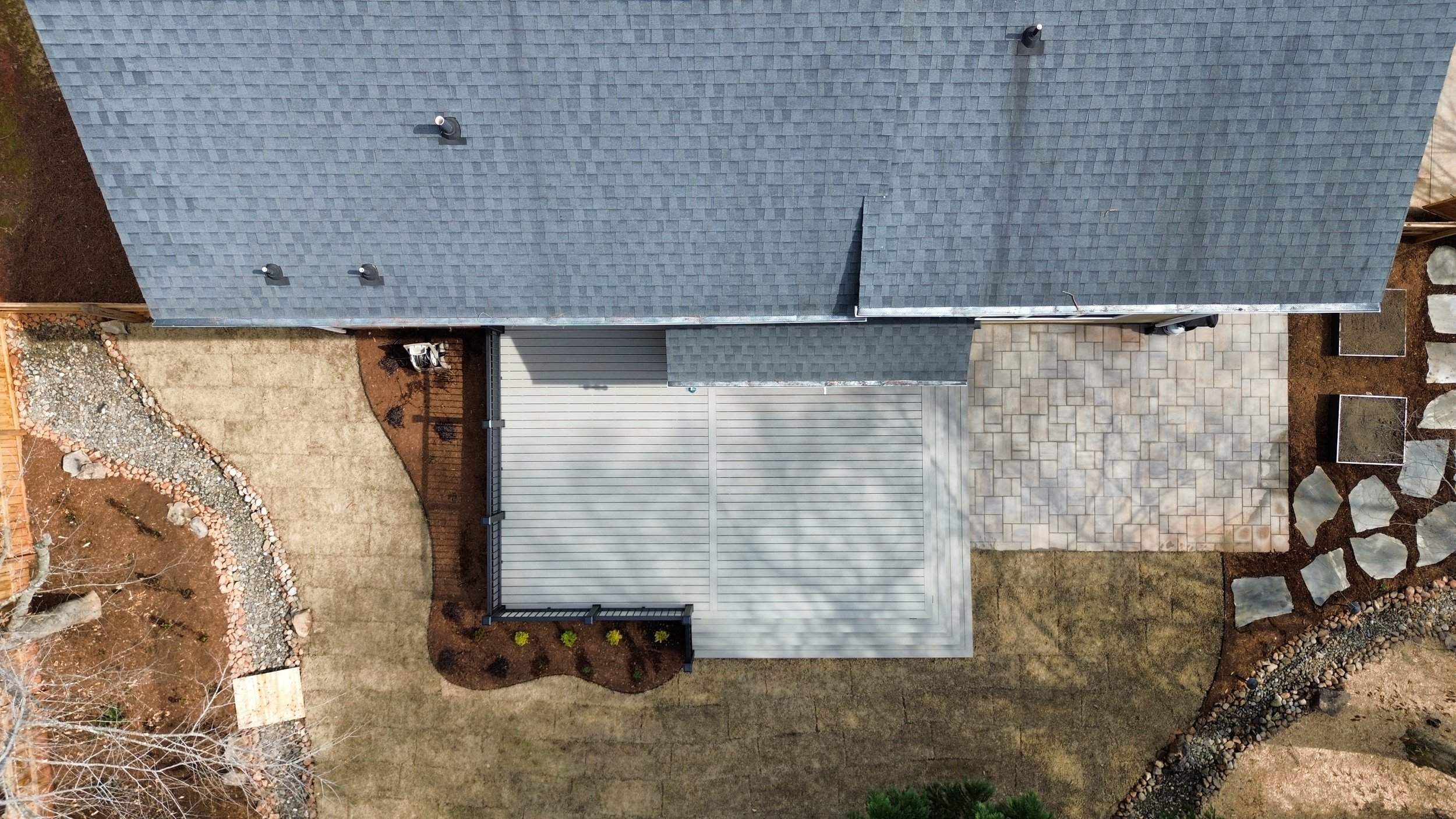
A small backyard doesn't have to mean limited possibilities. In fact, some of the most inviting outdoor living spaces are created in areas where every square foot matters.
Maybe your backyard is just large enough for a patch of grass and a couple of chairs. Perhaps you have a narrow space behind your home that you've never quite figured out how to use. Whatever the situation, the right deck design can turn an overlooked area into a comfortable extension of your home.
The secret isn't necessarily building the biggest deck possible. It's making smarter decisions about layout, materials, landscaping, and how you plan to use the space.
With a little creativity and thoughtful planning, even a compact backyard can become a place for entertaining friends, having family dinners, or simply relaxing after a long day.
Let's explore some practical small backyard deck ideas that can help you make the most of the space you already have.
1. Start With a Deck Design That Fits Your Lifestyle
Before thinking about decking materials, furniture, or decorative features, ask yourself the most important question: How do I actually want to use my backyard?
It's easy to get carried away with outdoor living ideas, especially when you see beautiful backyard transformations online. However, trying to squeeze a dining area, outdoor kitchen, fire pit, and lounge space into a small backyard can quickly make everything feel crowded.
Instead, focus on what matters most to you.
For example:
If you enjoy hosting friends, prioritize an outdoor dining area with enough room to move around comfortably.
If you prefer quiet evenings outside, consider a cozy seating area with comfortable furniture, subtle landscape lighting, and maybe a small firepit.
If you have children or pets, designing a deck that preserves some open yard space for activities is the way to go.
If you enjoy gardening, incorporate planters and greenery into the deck's overall design.
A simple rectangular deck with thoughtfully arranged furniture can often be more functional than a complicated design with too many features!
Remember, a successful backyard renovation isn't about fitting everything into the space. It's about creating an environment that works for the way you live.
2. Consider Built-In Seating to Save Valuable Space
One of the easiest ways to maximize a small deck is to rethink traditional outdoor furniture.
Large patio chairs, bulky couches, and oversized dining sets can take up more room than homeowners initially expect. Built-in seating offers a great alternative that makes better use of the deck's available footprint.
Why Built-In Benches Work So Well
Built-in benches can be installed along the perimeter of a deck, providing comfortable seating without requiring additional furniture scattered throughout the space.
This approach can offer several advantages:
Keeps the center of the deck open for movement.
Provides seating for multiple guests without overcrowding the entire deck.
Creates a clean, organized appearance.
Allows seating to blend naturally into the deck design.
Can incorporate extra storage space for cushions and outdoor accessories.
Imagine a compact deck with a built-in bench running along one side, a small coffee table in the center, and a couple of decorative planters nearby.
Instead of feeling cramped, the space becomes an inviting outdoor lounge.
3. Think Vertically Instead of Taking Up More Ground Space
When working with a small backyard, it's important to remember that your design possibilities extend beyond the ground.
Vertical features can introduce greenery, privacy, and visual interest without sacrificing valuable square footage.
This is especially helpful for homeowners with narrow backyards, townhomes, or properties where neighboring houses are relatively close together.
Incorporate Vertical Landscaping
Rather than installing large planting beds that consume much of the yard, consider incorporating plants into vertical elements.
Some effective options include:
Decorative trellises with climbing vines.
Wall-mounted planters filled with seasonal flowers.
Narrow planting beds along the deck's perimeter.
Hanging baskets that introduce color without occupying floor space.
Privacy screens that incorporate greenery.
For homeowners in North Carolina, selecting plants that tolerate the property's specific sunlight conditions is especially important.
A backyard surrounded by trees tends to receive considerably less sunlight than an open property.
Choosing the right plants for those conditions helps create a landscape that looks attractive and performs well over time.
The goal is to make the deck feel connected to the surrounding landscape without allowing vegetation to overwhelm the space.
4. Choose Decking Materials That Complement the Space
The materials you choose can have a significant impact on how your small backyard looks, feels, and functions.
While traditional pressure-treated lumber remains a popular option, composite decking has become an appealing alternative for homeowners interested in long-term durability and reduced maintenance.
Composite Decking vs. Traditional Wood
Composite decking is manufactured using a combination of materials, often including recycled plastics and wood fibers.
Depending on the product, composite decking can offer benefits such as:
Reduced maintenance compared to traditional lumber (No staining or sealing required).
Resistance to common problems such as splintering and insect damage.
A variety of colors and finishes that complement different home styles.
Consistent appearance across the deck surface.
Traditional lumber decking can provide a beautiful, natural appearance and may have a lower initial material cost. However, it generally requires more frequent maintenance to preserve its condition.
Composite decking typically involves a higher upfront investment, but the reduced maintenance requirements can make it an attractive option for homeowners who would rather spend their weekends enjoying their backyard.
Don't Overlook Deck Color
Color selection can also influence how spacious a backyard feels.
Lighter wood tones, warm grays, and natural finishes can help create an open, welcoming appearance, particularly in areas surrounded by fences or mature landscaping.
Darker colors can create a bold, modern look, but it's worth considering how much direct sunlight the deck receives since some decking surfaces can become quite hot during North Carolina summers.
Ultimately, the best material is one that complements your home's architecture, fits your budget, and aligns with your maintenance preferences.
5. Use Multiple Levels to Make Sloped Backyards More Functional
Not every small backyard is perfectly flat.
In fact, throughout the Triangle area of North Carolina, it's much more common to encounter properties with elevation changes, uneven terrain, or slopes that make traditional outdoor living layouts a bit more challenging.
This is where thoughtful deck design can make a difference.
Rather than attempting to flatten an entire backyard, an elevated or multi-level deck may allow homeowners to work with the property's existing grade.
Creating Different Outdoor Living Zones
Consider a backyard that slopes away from the house.
Instead of installing one large deck that dominates the space, a design could incorporate:
An upper deck connected to the home's rear entrance.
A small staircase leading to a lower seating area.
Landscaping around the structure to soften the transition.
A compact lawn or garden space beyond the deck.
This approach can make the backyard feel more intentional while providing separate areas for different activities.
However, multi-level decks aren't automatically the best solution for every small property.
Additional framing, stairs, railings, and structural requirements can increase project costs. In some cases, grading and installing a patio may be more practical.
Evaluating the property's elevation, drainage, and available space before committing to a design is essential.
6. Blend Your Deck With the Surrounding Landscape
One mistake homeowners sometimes make is treating their deck and landscaping as two completely separate projects.
A beautiful deck can still feel out of place if the surrounding landscape hasn't been thoughtfully designed.
The most successful small backyard transformations often create a natural connection between hardscaping and landscaping.
Small Landscaping Details Make a Big Difference
You don't need elaborate gardens or extensive planting beds to create an inviting outdoor environment.
Sometimes, a few intentionally selected features are all it takes.
Consider adding:
Low-growing shrubs around the deck's perimeter.
Ornamental grasses that introduce movement and texture.
Natural flagstone stepping paths connecting different areas.
Decorative river rock in appropriate drainage or accent areas.
Landscape lighting that highlights plants and architectural features.
For example, imagine a small deck surrounded by a narrow planting bed filled with layered greenery.
A few strategically positioned landscape lights illuminate the plants in the evening, while a simple stepping-stone walkway connects the deck to the rest of the backyard.
The result is a cohesive outdoor living space that feels intentional rather than crowded.
When selecting plants, always consider their mature size. A shrub that looks perfect when first installed will eventually outgrow its location and begin interfering with the deck.
7. Incorporate Lighting to Extend the Use of Your Deck
A well-designed deck shouldn't become unusable the moment the sun goes down.
Outdoor lighting can make a small backyard feel more welcoming while improving visibility around stairs, walkways, and changes in elevation.
The key is to keep the lighting subtle and purposeful.
Smart Lighting Ideas for Small Decks
Consider incorporating:
Recessed stair lighting to illuminate changes in elevation.
Landscape lighting around nearby planting beds.
Under-bench lighting for a soft, indirect glow.
Post-cap lighting when appropriate.
Carefully positioned accent lighting to highlight surrounding trees or architectural details.
One particularly effective approach is combining deck lighting with landscape lighting.
Rather than illuminating the entire backyard with one bright fixture, smaller lights can highlight different features and create a sense of depth.
This makes the outdoor environment more comfortable while allowing homeowners to enjoy their deck well into the evening.
8. Keep the Layout Simple and Leave Room to Move
Sometimes, the best small backyard deck design is the one that doesn't try to do too much.
Homeowners often focus on maximizing the size of the deck itself, but it's equally important to think about how people will move through the space.
A deck that technically accommodates a dining table isn't necessarily functional if guests have to squeeze between chairs to reach the stairs.
Plan Around Everyday Movement
Before finalizing your deck design, consider the following:
Can people comfortably walk from the house to the backyard?
Is there enough room to pull out dining chairs?
Will the deck interfere with existing doors, gates, or pathways?
Does the layout preserve access to important areas of the property?
Will furniture placement make the space feel too crowded?
It's also worth thinking about whether the deck needs to occupy the entire available backyard.
In some situations, a smaller deck paired with a modest lawn or garden area creates a more balanced and enjoyable outdoor environment.
A good design should make your backyard feel easier to use and welcoming, not more complicated.
9. Don't Forget About Drainage and Long-Term Maintenance
While appearance and functionality tend to receive the most attention during the design process, what happens underneath and around the deck is just as important.
Poor drainage can create standing water, erosion, and moisture problems that affect the surrounding landscape and, in some cases, the deck structure itself.
This is especially important in smaller backyards where water has fewer places to disperse.
Plan for Water Before Construction Begins
Before installing anything new, evaluate how water moves through the property during heavy rainfall.
Pay attention to:
Existing low spots where water collects.
Downspouts that discharge near the proposed deck or foundation.
Soil conditions and grading around the foundation.
Areas beneath the deck that may receive limited sunlight or airflow.
Whether the proposed construction could redirect runoff toward neighboring properties.
For elevated decks, proper structural design, flashing, drainage, and ventilation are critical considerations.
A professional should also evaluate applicable permits, setbacks, footing requirements, and structural connections before construction begins.
Addressing these details early can help prevent costly issues and protect the long-term performance of your outdoor living space.
Small Backyard Deck Ideas: It's About Making Every Square Foot Count
Having a small backyard doesn't mean you have to compromise on comfort, beauty, or functionality.
In many cases, limited space encourages more thoughtful design decisions.
A well-placed deck, comfortable built-in seating, carefully selected plants, and subtle lighting can transform an ordinary backyard into an outdoor retreat that feels like a natural extension of your home.
The important thing is to approach the project with a clear understanding of your property's layout, your lifestyle, and how the different elements will work together.
You might be surprised by just how much potential your backyard really has!
By: Lucio S.