
Warm Season Grass vs. Cool Season Grass: Choosing Grass For The Triangle Area
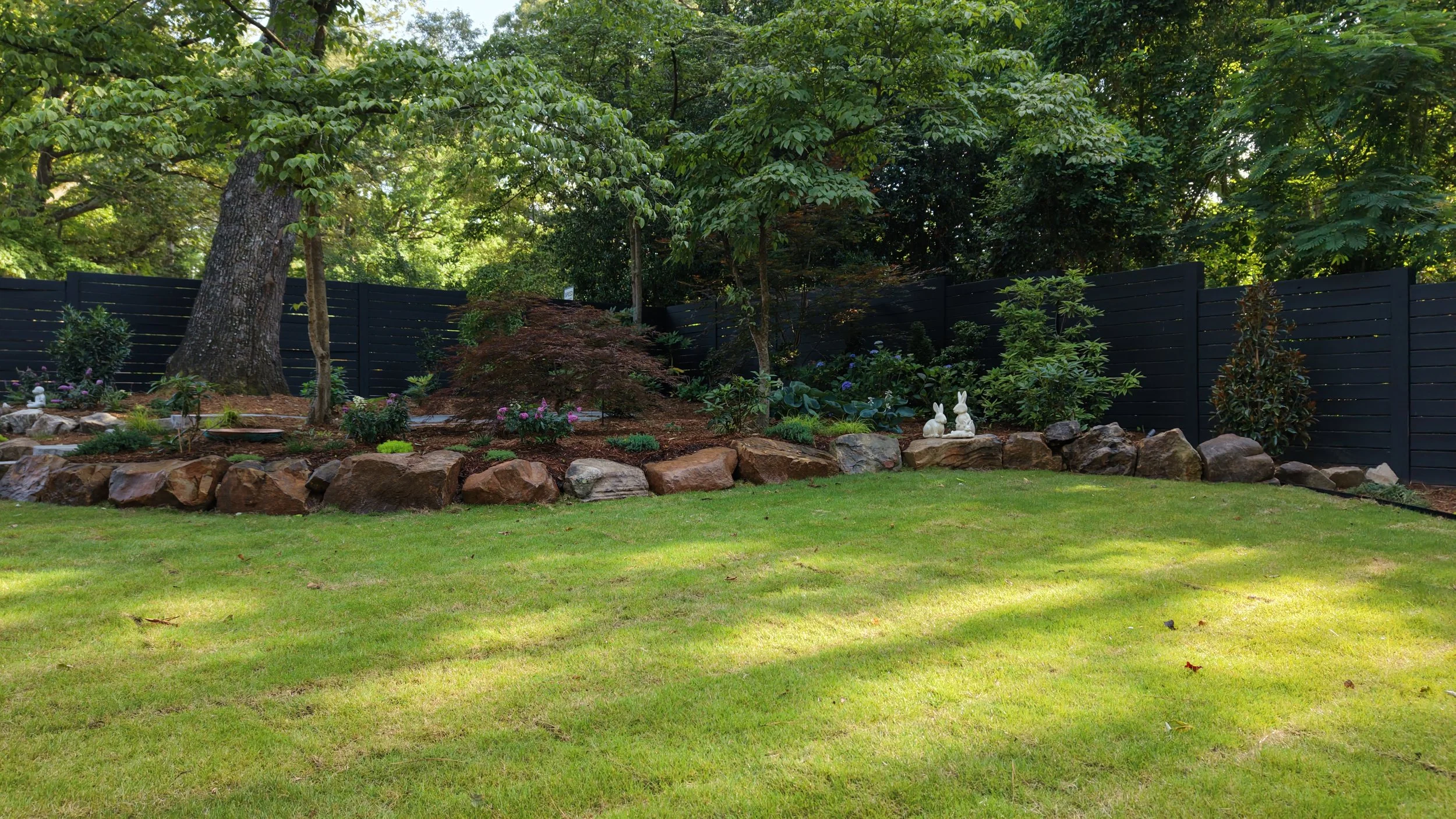
Choosing the right grass for your lawn sounds simple until you start looking at the options. Tall fescue, Bermuda, Zoysia, cool season, warm season, sod or seed. Before long, what seemed like an easy landscaping decision can turn into a surprisingly complicated one.
Here in the Triangle Area of North Carolina, that decision matters even more.
Our climate sits in what is commonly known as the transition zone. We experience cold enough winters to affect warm season grasses, but our summers can also be hot and humid enough to put significant stress on cool season varieties. That means there isn't one grass that's automatically right for every property.
When comparing warm season grass vs. cool season grass and choosing grass for the Triangle Area, the best answer depends on your property, sunlight, expectations, and how much maintenance you're comfortable with.
Let's break down the differences.
What Is the Difference Between Warm Season and Cool Season Grass?
The biggest difference is right there in the name: each type of grass has a different preferred growing season.
Cool Season Grass
Cool season grasses grow most actively when temperatures are milder, particularly during spring and fall.
In the Triangle Area, tall fescue is the cool season grass homeowners are most likely to encounter. It's popular because it can provide a rich green lawn year-round and generally performs better in partially shaded conditions than many warm season alternatives.
The tradeoff comes during the summer months.
North Carolina's July and August heat tends to be very hard on fescue. A lawn that looks fantastic in April may require considerably more attention to maintain that appearance through the hottest part of the year.
Warm Season Grass
Warm season grasses operate on almost the opposite schedule.
Bermuda grass and Zoysia grass are two common examples in the Triangle Area. Instead of struggling when summer temperatures climb, these grasses enter their strongest period of active growth.
They love sunshine and heat.
Once temperatures cool, however, warm season grasses begin entering dormancy. The lawn will gradually lose its green color and typically become tan or brown during winter. That's completely normal and does not mean there's anything wrong with the grass.
When spring warmth returns, the lawn begins greening up again.
Why Grass Selection Is Tricky in Raleigh and the Triangle Area
If you've ever driven through a Raleigh neighborhood in January and wondered why one lawn is green while the lawn next door is brown, there's a good chance you're seeing the difference between cool season and warm season turf.
Neither homeowner necessarily made the wrong choice.
They simply chose lawns with different growing cycles.
The Triangle's climate allows homeowners to consider both categories, but it also means you need to think beyond which grass looks best on installation day.
The better question is:
What type of grass makes the most sense for how my property actually functions?
Tall Fescue: The Popular Cool Season Choice
Tall fescue remains one of the most recognizable lawn grasses throughout Raleigh, Cary, Apex, Garner, Wake Forest, and surrounding Triangle communities.
There's good reason for that.
Fescue can create the classic green lawn many homeowners picture when they imagine their finished landscape.
Some advantages include:
Good performance in areas with mostly shade
Green color through much of the cooler portion of the year
Attractive, traditional lawn appearance
Ability to establish from seed as well as sod
The biggest challenge is summer.
Fescue doesn't particularly enjoy the combination of high temperatures and humidity we experience in central North Carolina. Lawns will thin, develop stressed areas, or require additional watering during extended periods of heat.
Another important difference is how the grass grows. Tall fescue doesn't aggressively spread across the lawn to repair bare areas. Because of this, fall aeration and overseeding are commonly part of maintaining a dense fescue lawn in the Triangle.
Bermuda Grass: Built for Sunshine and Summer
If your backyard receives full sun for most of the day, Bermuda grass deserves consideration.
Bermuda thrives during the part of the year when fescue is often fighting to survive. It's well suited to hot conditions and develops an aggressive growth habit that allows it to spread and recover from wear.
That's one reason Bermuda is commonly associated with athletic fields and other high-traffic turf areas.
For homeowners, those characteristics can be extremely useful.
A sunny backyard where kids or dogs regularly play may be much better suited to Bermuda than a shaded front lawn underneath mature trees.
However, Bermuda's love of sunlight is important. A heavily shaded property usually isn't the ideal environment for it.
You also need to be comfortable with winter dormancy (brown grass). Once cold weather settles into the Triangle, a Bermuda lawn will lose its summertime green color until warmer weather returns.
Zoysia Grass: A Popular Warm Season Alternative
Zoysia has become another popular option for North Carolina homeowners looking for warm season grass.
Once established, Zoysia can create an exceptionally dense lawn with a beautiful finished appearance. It handles summer heat well and certain varieties can tolerate some shade better than Bermuda (Zeon Zoysia).
Zoysia also spreads, which gives it an ability to gradually repair smaller damaged or thin areas.
The tradeoff is patience.
Zoysia generally establishes and spreads more slowly than Bermuda, and installing Zoysia sod can represent a larger initial investment than establishing some other lawn types.
For the right property, however, its density, texture, heat tolerance, and appearance can make it an excellent long-term option.
Warm Season Grass vs. Cool Season Grass: A Simple Comparison
If you're choosing grass for a Triangle Area lawn, think about the decision this way.
Consider Tall Fescue If:
Your property is mostly shaded
You love having green grass year-round
You're comfortable with fall aeration and overseeding (Maintenance required)
Your lawn doesn't receive intense summer traffic
You're prepared to give your lawn additional attention during the summer heat
Consider Bermuda Grass If:
Your lawn receives abundant direct sunlight
You want strong heat tolerance
Children, pets, or regular activity create significant foot traffic
You want grass capable of spreading and repairing itself
You don't mind a dormant, tan lawn during the winter months
Consider Zoysia Grass If:
You want a dense, attractive warm season lawn
Your property has sufficient sunlight
You want a strong summer performance
You're comfortable with winter dormancy
You're willing to invest more upfront for the right turf
There are additional grass varieties that can work in North Carolina, but for many Triangle homeowners, tall fescue, Bermuda, and Zoysia are three of the most useful options to compare.
6 Tips for Choosing the Best Grass for Your Triangle Area Lawn
1. Pay Attention to Sunlight Before Anything Else
Don't choose grass based solely on appearance.
Watch your property throughout the day and determine how many hours of direct sunlight different sections actually receive. There are also free apps that show you the amount of sun exposure your property receives.
A beautiful Bermuda lawn isn't going to perform the same way underneath mature shade trees as it will in an open backyard receiving sunlight most of the day.
Matching the grass to the property is far easier than trying to force the property to accommodate the wrong grass.
2. Think About Your Lawn in July, Not Just April
Spring can make almost every lawn look good.
July and August are when the differences will be highlighted.
When comparing the best grass for Raleigh, NC and surrounding communities, consider how much summer heat, drought stress, irrigation, and sunlight the lawn will experience.
If your property receives intense sunshine all summer, warm season grass will have a clear advantage.
3. Decide How Important Winter Color Is to You
This is one of the easiest factors to overlook.
A homeowner may fall in love with a Zoysia or Bermuda lawn during summer without realizing how its appearance changes during winter dormancy.
There's nothing unhealthy about dormant warm season grass. It's simply part of its natural growth cycle.
If maintaining green color during the winter months is particularly important to you, tall fescue will better match your expectations.
4. Consider How the Lawn Will Be Used
A lawn isn't just something you look at.
Do you have dogs?
Do you have children who play outside?
Is the backyard mostly decorative?
Will people frequently walk between the patio, driveway, garden, and other outdoor spaces?
Bermuda's spreading growth habit makes it particularly useful for sunny, high-traffic areas. A lawn with lighter activity and more shade may favor fescue instead.
Think about your everyday life, not just the finished landscape photo.
5. Be Realistic About Lawn Maintenance
Every grass requires maintenance, but the type of maintenance changes.
A fescue lawn requires fall aeration and overseeding to recover density after summer stress. Warm season lawns avoid that annual cycle in many situations, but they come with different mowing, fertilization, dormancy, and seasonal maintenance considerations.
Before choosing a grass, ask yourself how much work you're willing to put into maintaining the appearance you want.
The best grass isn't necessarily the one requiring the least maintenance. It's the one whose maintenance requirements fit your expectations.
6. Look at the Entire Landscape Before Installing Sod
One of the biggest mistakes homeowners make is treating sod installation as an isolated project.
Before installing a new lawn, check your drainage, grading, irrigation, downspouts, shade, soil conditions, planting beds, walkways, patios, and future landscape plans.
If water regularly collects in one area of the yard, laying beautiful new sod over the problem won't fix the drainage issue.
Likewise, installing grass and then deciding six months later to build a patio or walkway can mean tearing portions of that new lawn right back out.
A little planning upfront can save a lot of unnecessary work later!
What Is the Best Grass for Raleigh, NC?
There's no universal winner.
For properties with mature trees and partial shade, tall fescue often makes a great deal of sense.
For wide-open properties receiving strong sunlight throughout the day, Bermuda or Zoysia tend to provide better summer performance.
Some properties even have different conditions from the front yard to the backyard.
That's why choosing between warm season grass vs. cool season grass in the Triangle Area should start with the property itself, not simply your favorite grass variety.
Look at sunlight. Look at drainage. Think about foot traffic. Consider irrigation. Decide how important winter color is to you. And, most importantly, think about what you're willing to do to maintain the lawn over the next several years.
Choosing a Lawn That Works With Your Property
A great lawn shouldn't feel like a constant battle.
When grass repeatedly struggles in the same area year after year, there's usually a reason. It could be insufficient sunlight, poor drainage, soil conditions, heavy traffic, improper watering, or simply a grass variety that isn't well matched to the property.
Choosing the right grass type from the beginning gives your lawn a much better chance to thrive.
If you're planning a new landscape or considering replacing an existing lawn in the Triangle Area of NC, take the time to compare your grass options before making the investment. Whether that's tall fescue, Bermuda, Zoysia, or another solution, the goal should always be the same: choose a lawn that works with your property rather than against it.
By: Lucio S.