
Water-Wise Landscaping Tips for Hot NC Summers
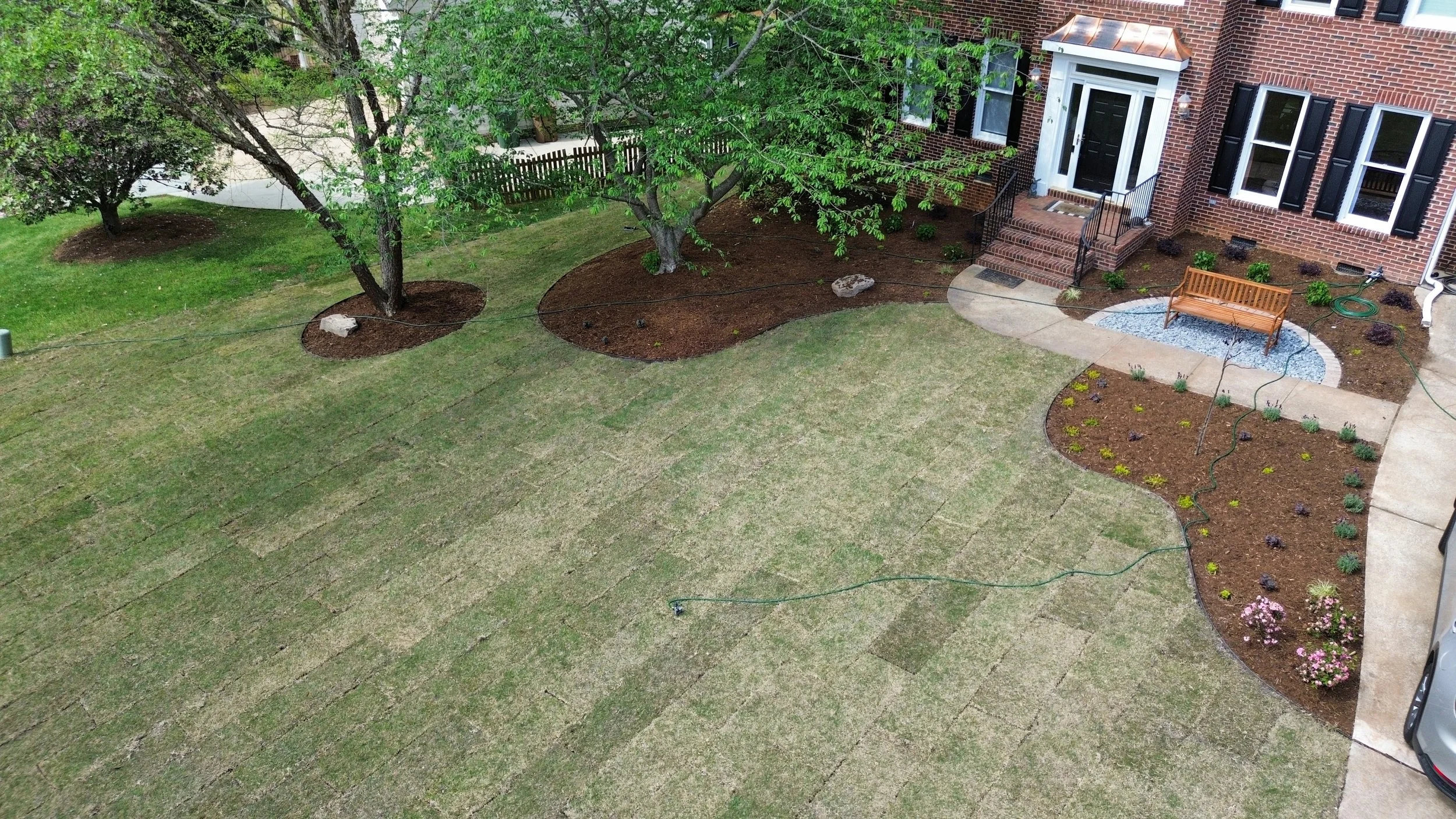
Water-Wise Landscaping Tips for Hot NC Summers
If you’ve spent even one July in North Carolina, you know the drill. The heat settles in, the humidity follows, and suddenly your lawn looks like it’s begging for mercy. I’ve seen plenty of homeowners crank up the sprinkler every day, thinking it’ll help, but that usually leads to higher water bills and stressed-out plants.
The good news is you don’t need to overwater your yard to keep it healthy. With the right game plan, you can build a landscape that thrives through the heat while using less water. These water-wise landscaping tips for hot NC summers are based on what actually works in our climate, not just textbook advice.
Why Water-Wise Landscaping Matters in North Carolina
North Carolina summers are unique. You’re dealing with intense sun, long dry stretches, and then the occasional heavy downpour. That combination can be tough on turf and plants.
A smart watering plan for NC summers helps you:
Reduce water waste
Keep plants healthier and more resilient
Lower your monthly utility bill
Avoid common issues like shallow roots and fungal disease
Think of it less as watering more, and more as watering smarter.
1. Water Deeply, Not Frequently
One of the most important watering tips for NC summers is simple: stop watering every day.
Frequent, shallow watering encourages weak root systems. Instead, water deeply a few times a week so moisture reaches several inches into the soil.
Here’s a good rule of thumb:
Lawns need about 1 to 1.5 inches of water per week
Split that into 2 to 3 watering sessions
When roots grow deeper, your lawn becomes much more drought-tolerant. I’ve seen yards cut their watering in half just by making this change.
2. Water Early in the Morning
Timing matters more than most people realize. Watering in the middle of the day is basically throwing money into the air, a lot of it evaporates before it ever reaches the roots.
The best time to water is:
Early morning, between 5 am and 9 am
This allows water to soak into the soil before the heat kicks in. It also gives leaves time to dry, which helps prevent disease.
If you’re setting up a watering plan for NC summers, this is one of the easiest upgrades you can make.
3. Choose Drought-Tolerant Plants
Not all plants are built for North Carolina heat. If you’re constantly fighting to keep certain plants alive, it might not be your fault, it might be the plant choice.
Consider adding:
Native grasses
Drought-tolerant perennials
Shrubs that are adapted to Southeastern climates
Plants that are used to local conditions naturally require less water. Over time, this reduces maintenance and makes your landscape more sustainable.
4. Use Mulch to Lock in Moisture
Mulch is one of the simplest and most effective water landscaping tips for hot NC summers.
A good layer of mulch helps:
Retain soil moisture
Regulate soil temperature
Reduce evaporation
Prevent weed growth
Aim for about 2 to 3 inches of mulch around plants and garden beds. Just be careful not to pile it against plant stems or tree trunks.
If you’ve ever noticed how quickly bare soil dries out compared to mulched beds, the difference is night and day.
5. Improve Your Soil Health
Healthy soil holds water better, plain and simple.
Clay-heavy soils, which are common in many parts of NC, can either hold too much water or dry out and crack. Sandy soils drain too quickly. Either way, improving your soil structure makes a big difference.
You can do this by:
Adding compost or organic matter
Aerating your lawn annually
Avoiding over-compaction from heavy traffic
Better soil means your watering efforts actually count.
6. Upgrade to Efficient Irrigation
If you’re still relying on a basic sprinkler setup, you might be overwatering some areas and underwatering others.
More efficient options include:
Drip irrigation for beds and gardens
Rotor systems for lawns
Smart irrigation controllers that adjust based on weather
A well-designed system is key to any watering plan for NC summers, especially during extended dry periods.
7. Pay Attention to Your Lawn’s Signals
Your lawn will tell you when it needs water. You just have to know what to look for.
Common signs include:
Grass turning a dull bluish-gray color
Footprints lingering after you walk across the lawn
Soil feeling dry a few inches below the surface
Instead of sticking to a rigid schedule, adjust based on conditions. Some weeks you’ll need more water, others less.
Putting It All Together
The best water-wise landscaping tips for hot NC summers come down to a simple mindset shift. You’re not trying to fight the heat, you’re working with it.
By watering deeply, choosing the right plants, improving your soil, and using efficient systems, you can create a landscape that stays healthy even in peak summer.
Ready to Make Your Yard More Water-Efficient?
Start by adjusting your watering schedule this week and adding mulch where you can. Small changes add up quickly, especially during a North Carolina summer.
By: Lucio S.