
What Materials Work Best for a Patio on My Property?
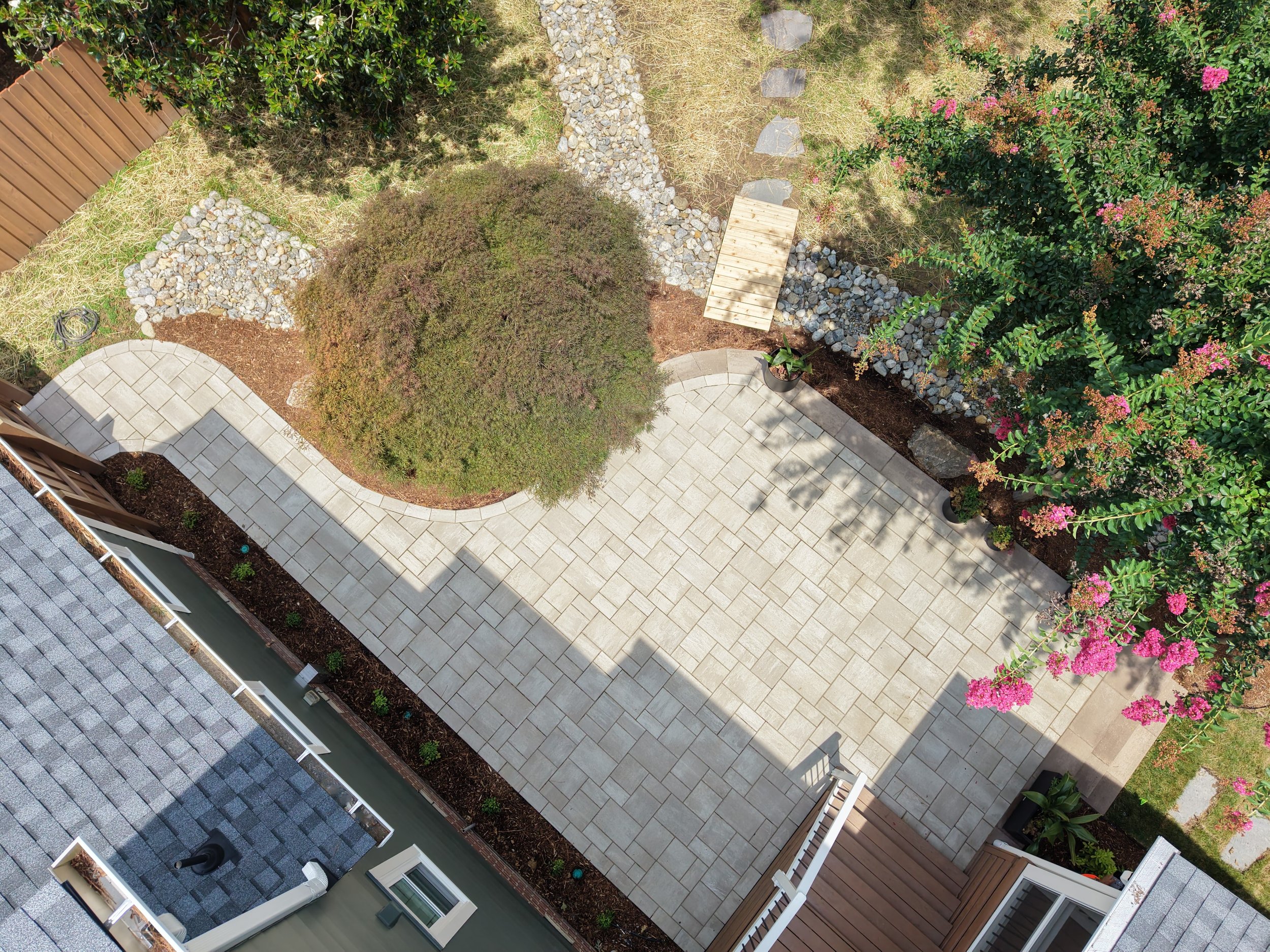
A new patio can completely transform how you use your outdoor space. Whether you're dreaming of backyard cookouts, relaxing evenings with family, or a beautiful place to enjoy your morning coffee, choosing the right patio material is one of the most important decisions you'll make.
One of the most common questions homeowners ask is, "What materials work best for a patio on my property?" The answer depends on your budget, style preferences, maintenance expectations, and even the natural characteristics of your yard.
I've worked with homeowners who were convinced they wanted one material, only to discover that another option was a much better fit for their property and lifestyle. The key is understanding how each material performs and what makes sense for your property.
Let's take a closer look at the best patio materials available today and how to determine which one is right for your home.
Why Patio Material Selection Matters
When homeowners search for what materials work best for a patio on their property, they often focus on appearance. While aesthetics certainly matter, other factors should influence your decision.
The right patio material can:
Improve durability and longevity
Reduce maintenance requirements
Increase property value
Enhance outdoor entertaining
Improve drainage and functionality
A patio isn't just another landscape feature. It's an investment that should provide long years of enjoyment.
Popular Patio Materials and Their Benefits
Concrete Pavers
Concrete pavers remain one of the most popular choices for modern patios.
Benefits include:
Wide variety of colors and styles
Excellent durability
Easy repairs if a section becomes damaged
Strong resistance to cracking
High-end appearance
Pavers are often the best balance between beauty, performance, and long-term value.
Natural Stone
Natural stone patios offer a timeless look that blends seamlessly with the surrounding landscape.
Popular options include:
Flagstone
Bluestone
Slate
Travertine
Each stone has unique colors and textures, giving every patio a one-of-a-kind appearance.
Natural stone works well for homeowners seeking a premium outdoor living space.
Stamped Concrete
Stamped concrete is designed to mimic the appearance of stone, brick, or pavers.
Advantages include:
Lower initial installation cost
Custom patterns and finishes
Faster installation process
While stamped concrete can look beautiful, it tends to require more maintenance over time compared to pavers.
Brick Patios
Brick patios have been a favorite for generations.
Homeowners appreciate brick because it offers:
Classic charm
Strong durability
Warm, inviting appearance
Compatibility with traditional home styles
Brick develops character over time and can create a welcoming outdoor atmosphere.
Gravel Patios
Used for more casual outdoor spaces, gravel can be an attractive and affordable solution.
Benefits include:
Excellent drainage
Budget-friendly installation
Easy expansion
Natural appearance
Gravel patios often work well for fire pits, garden seating areas, and rustic landscapes.
What Materials Work Best for a Patio on My Property Based on Yard Conditions?
Every property is different. The best patio material for one home may not be the ideal solution for another.
Flat Properties
Homeowners with relatively level yards can choose from nearly any patio material. Pavers, natural stone, stamped concrete, and brick all tend to perform well on properly prepared foundations.
Sloped Properties
If your yard has significant elevation changes, pavers and natural stone are often the preferred choices. These materials work well alongside retaining walls and can adapt to changing grades more effectively.
Properties with Drainage Concerns
Standing water can quickly become a problem if the wrong patio material is selected.
Permeable pavers and/or gravel patios help improve water management by allowing rainfall to filter through the surface.
High-Traffic Outdoor Living Spaces
If your patio will host frequent gatherings, outdoor kitchens, or fire pit areas, durability becomes a priority.
Concrete pavers and natural stone are often the best choices for handling heavy use.
7 Practical Tips for Choosing the Right Patio Material
1. Figure Out Your Budget Early
Before comparing materials, establish your realistic budget. This helps narrow your options and prevents surprises later in the process.
2. Think About Maintenance
Some patio materials require periodic sealing or upkeep. Others require very little maintenance beyond routine cleaning.
Choose a material that matches your lifestyle.
3. Match Your Home's Architecture
Your patio should feel like a natural extension of your home!
For example:
Traditional homes often pair beautifully with brick or natural stone.
Contemporary homes frequently complement sleek paver designs.
4. Consider Long-Term Durability
The cheapest option isn't always the most affordable in the long run.
Materials that may require fewer repairs might actually provide better overall value.
5. Account for Local Weather Conditions
In North Carolina, patios must withstand heat, heavy rainfall, humidity, and occasional freezing temperatures.
Durable materials like pavers and natural stone tend to perform exceptionally well under these conditions.
6. Plan for Future Features
Think beyond the patio itself.
If you may eventually add:
A fire pit
Landscape lighting
A pergola
An outdoor kitchen
Choose a material that can easily integrate with future upgrades.
7. Focus on Function First
It's easy to get caught up in photos online, but functionality takes the lead.
The best-looking patio won't feel successful if it doesn't fit the way you actually use your outdoor space!
Comparing Popular Patio Materials
Concrete Pavers
Best For:
Outdoor living spaces
Entertaining areas
Long-term durability
Natural Stone
Best For:
Luxury landscapes
Custom designs
Natural aesthetics
Stamped Concrete
Best For:
Budget-conscious projects
Decorative finishes
Brick
Best For:
Traditional homes
Historic properties
Gravel
Best For:
Informal gathering spaces
Budget-friendly installations
Which Patio Material Is the Best Overall?
If homeowners ask me to recommend a single patio material, concrete pavers are usually the most versatile choice.
They provide:
Excellent durability
Attractive design flexibility
Relatively low maintenance
Strong return on investment
That said, the answer to what materials work best for a patio on my property ultimately depends on your property's unique characteristics and your personal goals.
A thoughtfully designed patio should complement your home, enhance your lifestyle, and provide years of enjoyment.
Final Thoughts: choosing the right patio material for your property
Choosing the right patio material doesn't have to be hard or overwhelming. By understanding the strengths of each option and considering factors like drainage, maintenance, budget, and style, you can confidently select the best solution for your outdoor space.
If you're planning a patio project, start by evaluating your property's needs and exploring materials that align with your goals. Taking the time to make an informed decision now can help you create an outdoor space you'll enjoy for years to come.
By: Lucio S.